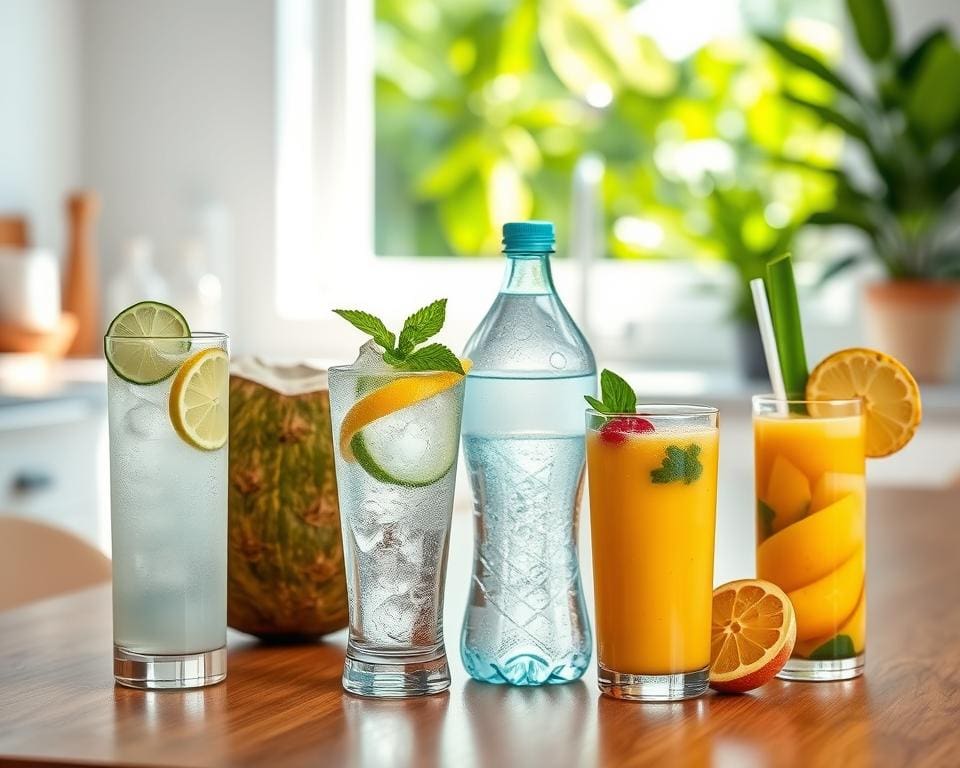

Every day we choose drinks that keep us moving, calm and clear-headed. This article asks a simple question: which drinks are best for daily hydration and how do they help with hydration and stress? We’ll compare plain water, infused waters, herbal brews, low‑caffeine teas and electrolyte options to show what works in real life.
Our aim is practical and evidence‑based. Expect product‑style comparisons, preparation tips and sustainability notes that matter to a UK reader. We will mention familiar brands such as Pukka and Twinings, and look at bottled waters and coconut water options you can find in British supermarkets.
The target audience is busy adults across the United Kingdom who want accessible ways to improve daily hydration and reduce stress. The main on‑page question is: How can you reduce stress sustainably? Every drink recommendation ties back to this, so you can build routines that refresh the body and calm the mind.
The structure is straightforward. You’ll find sections on hydration science and stress links, plain water, infused waters, herbal teas, low‑caffeine options, electrolyte drinks, which beverages to limit, and practical daily routines. The tone is inspirational and practical, with comparable pros and cons, environmental considerations and label‑reading advice for commercial products.
Why daily hydration matters for wellbeing and stress reduction
Keeping fluids steady through the day supports basic bodily work. Water helps maintain blood volume, transports nutrients, aids digestion and keeps body temperature steady during activity. NHS guidance stresses regular fluid intake to preserve these functions and to reduce the risk of dehydration and its complications.
The role of water in physical and mental performance
Even small fluid losses of 1–2% of body mass can reduce alertness and slow reaction times. Research on hydration and mental performance links mild fluid deficit with poorer attention, reduced short‑term memory and slower processing speed. That matters at work, when driving, and during study tasks under pressure.
Signs of mild dehydration to watch for
- Dry mouth and lips.
- Dark or concentrated urine and fewer toilet visits.
- Headache, light‑headedness or a racing pulse.
- Difficulty concentrating and increased fatigue.
These dehydration signs usually reflect mild to moderate fluid loss. Severe dehydration includes dizziness, confusion and very low urine output; seek medical help if symptoms escalate or if someone cannot keep fluids down.
How hydration links to mood, sleep and stress levels
Hydration mood sleep stress are tightly connected. Studies show that low fluid levels raise perceived effort for mental tasks and increase irritability. Poor sleep and persistent irritability then heighten stress responses and reduce resilience.
Certain groups need special attention. Older adults often feel thirst less strongly and must drink on a routine. Athletes, outdoor workers and people who are pregnant or breastfeeding require greater fluid intake to match higher losses and needs.
Practical takeaway: simple, steady drinking habits form an evidence‑based way to support mental resilience. Habitual fluid intake lowers the chance that dehydration will add to daily stress and cognitive strain.
How can you reduce stress sustainably?
Creating a calm life needs small, repeatable steps that fit your day. Hydration supports sleep, movement and clear thinking. Use drinks as part of a wider plan that includes sleep hygiene, regular activity, balanced nutrition, social connection and simple mindfulness practices.
Set sensible, sustainable habits rather than chasing quick fixes. Aim for a daily water target, carry a reusable bottle such as Klean Kanteen or Chilly’s, and prefer tap water where safe to cut plastic waste. Schedule short drinking breaks and pair them with breathing or light stretching to reinforce the routine.
Drinks that support calm: ingredients and evidence
Certain ingredients in beverages show modest but consistent benefits for acute stress and sleep onset. L-theanine, found in green tea, promotes relaxed alertness without drowsiness. Chamomile contains apigenin and flavonoids linked to mild anxiolytic effects in trials. Lemon balm (Melissa officinalis) has been studied for reduced agitation and improved mood. Lavender, taken as tea or used aromatically, can lower anxiety levels in some studies.
Keep expectations realistic. These calming drinks can support wellbeing, yet they do not replace therapy or prescribed medication when clinical care is needed.
Practical daily routines combining fluids with lifestyle habits
- Morning: drink a glass of water on waking to rehydrate. Follow with a short walk or stretch.
- Mid-morning: have a green tea with a protein or fibre-rich snack to balance energy and support focus.
- Afternoon: sip infused water to reduce sugary cravings and maintain steady hydration levels.
- Evening: choose a caffeine-free chamomile or lemon balm tea as part of a wind-down ritual before bed.
Pair fluids with movement and breathing: drink after a brief walk, or sip slowly during a two-minute breathing exercise. Check product labels for added sugars, artificial flavours and unnecessary additives. For long-term benefit, favour low-sugar, low-caffeine and natural-ingredient options to reduce stress sustainably while improving overall hydration habits.
Plain water: the simplest and most effective choice
Plain water is the foundational drink for daily hydration. It has zero calories, no additives and is absorbed quickly to restore fluid balance. For most people, plain water should form the bulk of daily fluid intake guidance.
Below are practical notes on safety, taste and personalised needs.
Tap water versus bottled water — safety and sustainability
In the UK, tap water is regulated by the Drinking Water Inspectorate and is safe for most consumers. Bottled waters such as Buxton, Evian and Highland Spring offer convenience, though they often share similar mineral profiles with tap supplies.
Environmental impact is a major factor in the tap water vs bottled debate. Single-use plastic bottles raise concerns about microplastics and carbon footprint. Choose reusable stainless steel or glass bottles and consider refill schemes like the Refill app. In-home filters such as Brita can improve taste where preferred.
Tips to make plain water more appealing
Simple tweaks help you drink more without adding sugar. Try chilled water, slices of cucumber, citrus or berries, or a sprig of mint for fresh flavour.
Sparkling water brands like San Pellegrino or Perrier provide a bubbly alternative when you crave texture. An insulated bottle keeps water cold for hours. Use phone reminders or smart bottles that prompt intake to build a steady routine.
How much plain water do different people need?
Blanket rules such as “8×8” are too simplistic. NHS and scientific guidance suggest average daily fluid intake, from drinks and food, of around 1.6–2.0 litres for women and 2.0–2.5 litres for men.
Needs vary with activity, climate, age and pregnancy or breastfeeding. Athletes, hot weather and illness raise requirements. Focus on thirst, monitor urine colour and make incremental adjustments. This practical water intake guidance helps you find the right balance.
Overhydration is rare in everyday life but can occur in endurance events. When sweating heavily, pair fluids with electrolytes to protect sodium balance.
Infused and flavoured waters for variety without added sugars
Infused water is a low‑calorie, flavourful alternative to plain water that helps increase daily intake and brings mild sensory benefits that support relaxation. Use simple ingredients from the kitchen to create drinks that feel indulgent yet remain hydrating and sugar‑free. Preparing a jug ahead saves time and encourages steady sipping through the day.
Easy homemade infusion recipes
- Lemon & cucumber: thin slices of lemon and cucumber, chill for one to two hours for a crisp, refreshing taste.
- Berry & mint: raspberries or blueberries with fresh mint; crush lightly to release flavour and steep in the fridge.
- Orange & rosemary: orange slices paired with a sprig of rosemary for a fragrant, grounding sip.
- Apple & cinnamon: use apple slices and a cinnamon stick for a warming infusion that works hot or cold in cooler months.
- Lavender & lemon balm: small amounts of culinary lavender with lemon balm create a gentle, calming aroma suitable for evening refreshments.
Preparation notes
- Use filtered tap water and glass or BPA‑free containers.
- Let infuse for 30 minutes to several hours in the fridge, depending on desired intensity.
- Change the infusion daily to avoid bacterial growth; you can top up with water once before replacing ingredients.
Health benefits versus commercial flavoured options
Homemade infusions deliver negligible calories and no added sugars, so they are a healthier swap for many supermarket drinks. Commercial flavoured waters and enhanced bottled options can contain sweeteners, flavourings, preservatives or added vitamins. Read labels carefully and choose low‑calorie own‑label still waters when shopping in UK supermarkets.
Best fruits, herbs and combinations for hydration and calm
Citrus gives freshness and a hint of vitamin C, while cucumber and mint add cooling effect. Berries provide natural sweetness and antioxidants without added sugar. For a soothing aroma, use lemon balm and lavender sparingly to create calming infused water that supports relaxation.
Practical tips and sustainability
- Prepare a large jug to sip from during the day for convenience and reduced single‑use bottles.
- Reuse ingredients safely by topping up with fresh water once, then replace the solids the next day.
- Keep portions modest so the flavour stays pleasant and the drink remains a true flavoured water without sugar.
Herbal teas and caffeine-free brews for gentle hydration
Warm, caffeine-free hydration can be a simple ritual that calms the mind and soothes the body. Herbal teas for relaxation offer gentle flavours and mild physiological effects that support an evening wind-down or a midday pause. Choose blends that suit taste and need for rest.
Calming herbs to look for:
- Chamomile — prized for apigenin and other constituents linked to reduced sleep latency and improved subjective sleep quality; chamomile benefits make it a staple for night-time cups.
- Lemon balm (Melissa officinalis) — used in trials to ease agitation and lift mood, often blended with other herbs for balanced flavour.
- Lavender — provides anxiolytic effects when inhaled or taken orally; the taste is strong but can be mellowed in mixed blends.
- Rooibos, passionflower and peppermint — rooibos gives antioxidants, passionflower has traditional use for anxiety, peppermint aids digestion and can feel calming for some people.
Preparation tips to preserve flavour and benefits:
- Use boiling water for most herbal blends and steep for 5–10 minutes depending on the herb.
- Cover the cup while steeping to trap volatile aromatics that carry calming effects.
- Choose quality loose leaf or trusted tea bag brands such as Pukka, Twinings or Clipper for consistent results.
- Avoid over-steeping to prevent bitterness and overly concentrated extracts.
When herbal teas are a better choice than caffeinated drinks:
- Evening routines where sleep is the goal and stimulants would be counterproductive.
- People sensitive to caffeine seeking caffeine-free hydration without sacrificing ritual.
- Moments when a warm, mindful beverage helps reduce stress more than a cold caffeinated pick‑me‑up.
Check product labels for added flavours or sweeteners if you prefer pure infusions. Many UK brands offer certified organic and ethically sourced blends suited to those seeking the best calming herbal teas. Speak with a GP or pharmacist about interactions and safety during pregnancy or when taking medication.
Low-caffeine options: green tea and white tea in moderation
Green and white teas make gentle additions to daily fluid intake. They offer mild stimulation and calming compounds such as L‑theanine, so they can support alertness without the sharp spike linked to coffee. When used sensibly, these brews help with green tea hydration while adding variety to your routine.
Benefits of lower-caffeine teas for daily hydration
Lower-caffeine teas can count towards total daily fluids and feel soothing between meals. The L‑theanine in both teas promotes relaxation and can reduce jitteriness from caffeine. White tea low caffeine is an appealing choice for those who prefer a delicate flavour with less stimulant effect than stronger green varieties.
How to brew for taste and lower caffeine content
To brew green tea low caffeine, use water at about 70–80°C and steep for 1–2 minutes. Shorter steeping reduces caffeine extraction and keeps bitterness down. Choose quality loose leaf or trusted brands such as Twinings or a speciality loose‑leaf supplier for cleaner flavour, and try decaffeinated options if you are particularly sensitive.
Antioxidant advantages and practical serving ideas
Both green and white teas supply catechins and polyphenols, with EGCG prominent in green tea. These antioxidants in tea are linked to cardiovascular and metabolic support when combined with a balanced diet. Keep expectations realistic; tea complements healthy eating rather than replacing it.
Try iced green tea with lemon and mint for a cooling day drink or a pot of white tea mid‑afternoon with a small protein snack to sustain energy. Pair a short tea ritual with deep‑breathing breaks to magnify calm. For sensitive sleepers, avoid even low‑caffeine cups within three to four hours of bedtime and favour herbal, caffeine‑free options in the evening.
Hydrating drinks with electrolytes: sports drinks and natural alternatives
Electrolyte drinks replace sodium, potassium and other minerals lost through sweat. They are valuable in specific situations rather than for routine daily hydration for people who are largely sedentary. Choose the right product for the activity and avoid needless sugars that add calories.
When to choose an electrolyte drink
Reach for an electrolyte drink during endurance exercise lasting more than 60–90 minutes, high‑intensity sessions, heavy sweating in hot conditions, or when recovering from vomiting or diarrhoea. For everyday moderate activity, plain water is usually sufficient. Excessive reliance on sports drinks for light activity can lead to unnecessary sugar intake.
Natural electrolyte options
Coconut water is a natural source of potassium and some sodium with fewer added sugars than many commercial sports drinks. UK brands to consider include Zico and Innocent, plus several supermarket own‑brands. Note that coconut water hydration varies by brand and may be low in sodium for heavy salt losses.
Homemade mixes work well after illness or travel. A simple homemade electrolyte recipe: mix water with a pinch of salt, a squeeze of citrus and a small spoonful of honey to taste. This helps restore fluids and electrolytes without extra additives.
Oral rehydration solutions (ORS) recommended by healthcare professionals have specific glucose‑to‑sodium ratios. Parents and travellers should consult NHS guidance and keep ORS sachets available for gastroenteritis.
Reading labels
Inspect sports drink labels for total sugar per serving. Many sports and “enhanced” waters contain high sugar levels. For hydration with fewer calories, choose low‑sugar or sugar‑free electrolyte formulations.
Check sodium and potassium content. Sufficient sodium is necessary for effective rehydration during heavy sweating. Very low‑sodium “sports” waters may not meet needs in hot, sweaty conditions.
- Watch for artificial colours and preservatives.
- Be cautious of high doses of added vitamins marketed beyond what is necessary.
- Match the product to the situation rather than habit.
Practical advice: for exercise under 60 minutes, water is typically adequate. For longer events, intense training or recovery from illness, select an option that fits the loss profile—whether a trusted sports brand, coconut water hydration or a homemade electrolyte recipe. Parents and travellers benefit from keeping ORS sachets handy as a lightweight, reliable option.
Beverages to limit for optimal hydration and stress management
When aiming for steady hydration and lower stress, some drinks are best limited. High-sugar soft drinks and energy drinks add lots of calories and free sugars, which can trigger blood sugar swings and mood instability. Brands such as Monster and Red Bull also deliver high caffeine and stimulants that may raise anxiety and disturb sleep, so list these among drinks to avoid for hydration.
High-caffeine beverages and excessive coffee can increase cortisol and impair rest if consumed late or in large amounts. Aim to limit caffeine alcohol sugar together by keeping total daily caffeine to a moderate level — often around 200–400 mg depending on sensitivity — and avoid caffeine in the afternoon. Alcohol too can seem relaxing at first but fragments sleep and can worsen anxiety over time; follow UK Chief Medical Officers’ guidance by choosing drink‑free days and lower‑ABV options.
Sugary fruit juices and sweetened cocktails add sugars and calories while offering little sustained hydration; choose whole fruit instead. Diet or zero‑calorie drinks with artificial sweeteners are acceptable occasionally, but they are not a hydration strategy for stress reduction given mixed long‑term evidence. Practical swaps include replacing one sugary drink per day with infused water, swapping late‑afternoon coffee for green tea or decaf, and favouring plain or lightly infused water and herbal teas as primary choices.
Small, consistent changes in beverage choices can support daily hydration and calm. By reducing drinks that undermine hydration and adopting mindful alternatives, you create simple rituals that build resilience and sleep quality. Try experimenting with herbal teas, low‑caffeine options and sustainable water habits to find what best supports your wellbeing and stress management.