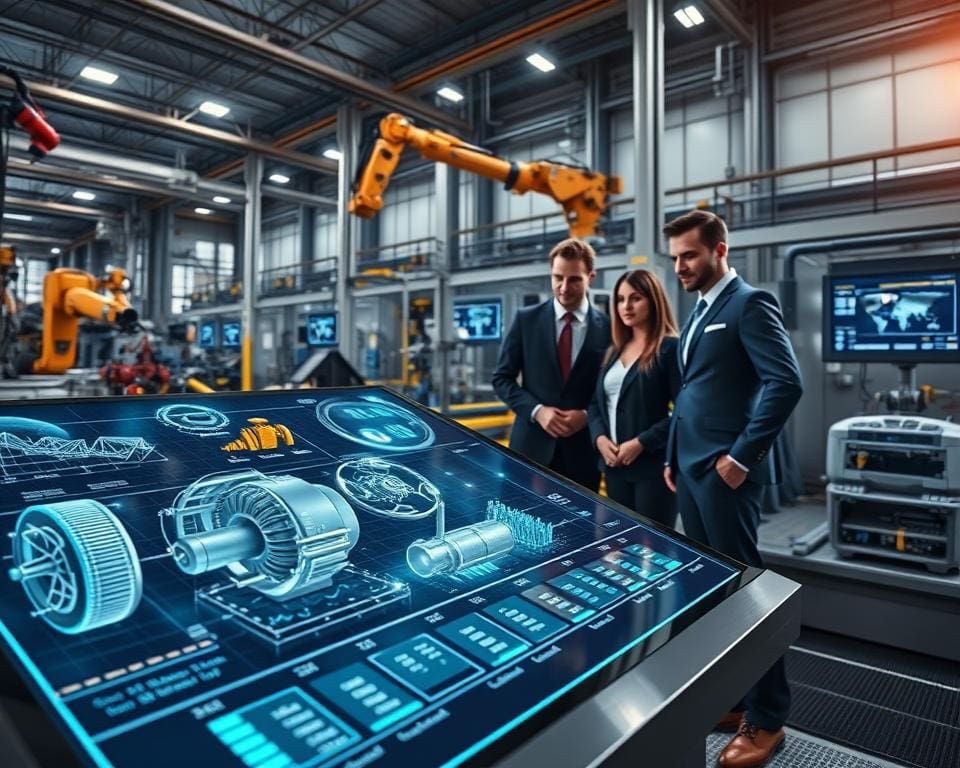

In the fast-evolving landscape of technology, digital twins are emerging as a vital tool in the quest for enhanced equipment optimisation. By creating digital replicas of physical systems, organisations can simulate, predict, and ultimately enhance real-world outcomes. This cutting-edge approach is revolutionising sectors by offering a comprehensive overview of operations, fostering improved decision-making, and minimising downtime. As businesses leverage these technology innovations, they are not only transforming operational efficiency but also adapting swiftly to fluctuating market conditions, thus gaining a formidable advantage over their competitors.
The Concept of Digital Twins
The development and application of digital twins have revolutionised the way industries manage and optimise their assets. Understanding the underpinnings of this innovative concept provides valuable insights into its transformative potential.
Definition and Origin
The definition of digital twins encapsulates a virtual representation of a physical object or system, designed specifically to simulate real-world conditions. The origin of digital twins traces back to NASA in the early 2000s, aimed at supporting complex space missions. Over time, this concept has evolved, becoming an essential part of various sectors seeking to enhance operational efficiency and performance.
The Technology Behind Digital Twins
The technology in digital twins employs IoT devices, sensors, and advanced data analytics to forge a comprehensive real-time depiction of physical assets. This innovative technology integrates various data sources, allowing industries to monitor performance, anticipate maintenance requirements, and optimise their operations. Simulation technology plays a pivotal role in offering detailed insights, ensuring an effective strategy for asset management.
Benefits of Digital Twins in Equipment Management
The integration of digital twins in equipment management revolutionises how organisations approach maintenance and operations. Thanks to cutting-edge technology, businesses can unlock numerous advantages that enhance their overall performance.
Enhanced Predictive Maintenance
Digital twins allow for enhanced predictive maintenance, utilising real-time data to monitor the condition and performance of machinery. This proactive approach helps organisations anticipate potential failures, enabling timely interventions that minimise unexpected downtime. As a result, the focus shifts from reactive maintenance to a more strategic, informed approach that optimises equipment lifespan.
Increased Operational Efficiency
By employing digital twins, organisations experience increased operational efficiency through better resource allocation and streamlined processes. These models provide insights that facilitate informed decision-making, ensuring that resources are applied where they are most needed. This optimisation fosters a fluid operational environment and enhances productivity, which in turn benefits the entire enterprise.
Cost Reduction and Savings
Implementing digital twins significantly contributes to cost reduction and savings within organisations. By minimising unplanned maintenance activities and optimally scheduling repairs, businesses can reduce their maintenance budgets significantly. In turn, this allows for a healthier bottom line, showcasing how effective equipment management can lead to substantial financial rewards.
How do digital twins support equipment optimisation?
Digital twins play a critical role in achieving effective equipment optimisation through powerful digital capabilities. Their ability to enable real-time monitoring and analysis significantly enhances decision-making processes. This integration of technology allows businesses to pinpoint performance inefficiencies in real-time, thus facilitating timely resources allocation and strategic adjustments.
Real-time Monitoring and Analysis
With real-time monitoring, digital twins gather vast amounts of data from various sensors. This continuous flow of information enables organisations to gain actionable insights into their equipment’s performance. Businesses can identify patterns, address issues proactively, and make informed decisions to improve productivity. As data is processed, it becomes possible to track the operational health of machinery, leading to enhanced overall efficiency.
Simulation Capabilities for Performance Improvement
The advanced performance simulation features of digital twins create a virtual environment where ‘what-if’ scenarios can be explored. This allows organisations to assess different strategies and potential enhancements without the risks associated with real-world changes. By testing simulations, businesses can confidently implement adjustments that drive their equipment optimisation goals forward. The result is not just advanced performance but also a smoother adaptation to evolving operational demands.
Industries Benefitting from Digital Twins
Digital twins are revolutionising various industries by delivering innovative solutions that enhance efficiency and performance. Their application is evident across sectors such as manufacturing, energy, and healthcare, where they optimise processes and improve outcomes.
Manufacturing Sector Applications
In the manufacturing domain, digital twins in manufacturing have proven to be integral for monitoring and simulating production processes. Companies utilise this technology to create virtual models of their production lines, allowing for real-time analysis and adjustments. This approach not only boosts productivity but also minimises waste, leading to a more sustainable manufacturing practice.
Energy and Utilities Impact
The energy sector is undergoing a transformation through the implementation of energy sector digital twins. These models enhance the management of assets and provide insights for grid optimisation. Utilities can anticipate maintenance needs and reduce downtime, ensuring reliable energy delivery while optimising operational costs.
Healthcare Equipment Optimisation
In healthcare, the role of digital twins is critical for healthcare equipment optimisation. By creating digital representations of medical devices, healthcare providers can track their performance and implement preventive maintenance strategies. This contributes to improved patient outcomes and ensures the equipment remains operational and effective when needed most.
Key Features of Effective Digital Twin Solutions
Effective digital twin solutions offer transformative capabilities that enhance equipment optimisation dramatically. The success of these solutions rests on critical features that support efficient operations and decision-making processes. Understanding the significance of data integration, user interfaces, and visualisation tools is essential for companies seeking to leverage the full potential of digital twins.
Data Integration and Management
Robust data integration forms the backbone of effective digital twin solutions. This capability enables seamless communication between physical assets and their digital replicas, ensuring that real-time data is accessible and actionable. With advanced data management systems, organisations can analyse vast quantities of data, resulting in accurate insights that drive performance improvements.
User-friendly Interfaces and Visualisation Tools
Designing intuitive user interfaces and effective visualisation tools simplifies the complex data landscape presented by digital twins. A well-crafted interface empowers operators and decision-makers to interact with data effortlessly. Visualisation tools play an essential role in representing multifaceted data in meaningful ways, allowing quick comprehension and informed decision-making. This accessibility strengthens the capacity to act on insights, fostering an environment of operational excellence.
Challenges in Implementing Digital Twins
As organisations look to embrace digital twin technology, they face a spectrum of challenges. The journey to successful implementation is not without its hurdles, particularly regarding technical and financial barriers. High costs can deter investment in digital twins, especially for smaller companies grappling with limited resources. The potential for enhanced efficiency and savings becomes overshadowed by these financial barriers, making it critical for decision-makers to evaluate their options carefully.
Technical and Financial Barriers
Investing in digital twin technology requires substantial financial commitment and can involve various technical complexities. Many organisations are reluctant to allocate budgets due to concerns over potential returns on investment. They often struggle with the financial barriers associated with acquiring advanced tools and skilled personnel needed for successful implementation. These challenges of digital twins necessitate strategic planning, ensuring that organisations not only assess their current capabilities but also anticipate future requirements.
Data Quality and Integration Issues
Aside from financial concerns, organisations frequently encounter data quality problems and integration issues. Inconsistent or inaccurate data can lead to misleading insights, undermining the effectiveness of digital twins. Gathering reliable data from multiple sources can prove formidable, especially when existing systems are not configured for seamless integration. Addressing these data quality problems is essential for the credibility of digital twins, and overcoming integration issues remains a priority for those seeking to harness their full potential.
The Future of Digital Twins in Equipment Optimisation
The future of digital twins looks exceptionally promising, guided by rapid advancements in technology. As industries increasingly gravitate towards the adoption of artificial intelligence and machine learning, the capabilities of digital twins are set to evolve significantly. These innovations will lead to more predictive and prescriptive functionalities, further enhancing efficiency in equipment optimisation.
Additionally, the ongoing evolution of the Internet of Things (IoT) will facilitate smoother integrations, making real-time insights readily available. This aligns with emerging equipment optimisation trends, as businesses that leverage these advancements can expect unprecedented improvements. The ability to analyse and react proactively to equipment performance will empower organisations to streamline operations and extend asset lifespan.
As industries adapt to these changes, maintaining a keen focus on digital twin technology advancements will be crucial for gaining a competitive edge. By embracing the potential of digital twins, organisations are not only investing in their current operational capabilities but are also paving the way towards future innovations that could redefine standards across various markets.