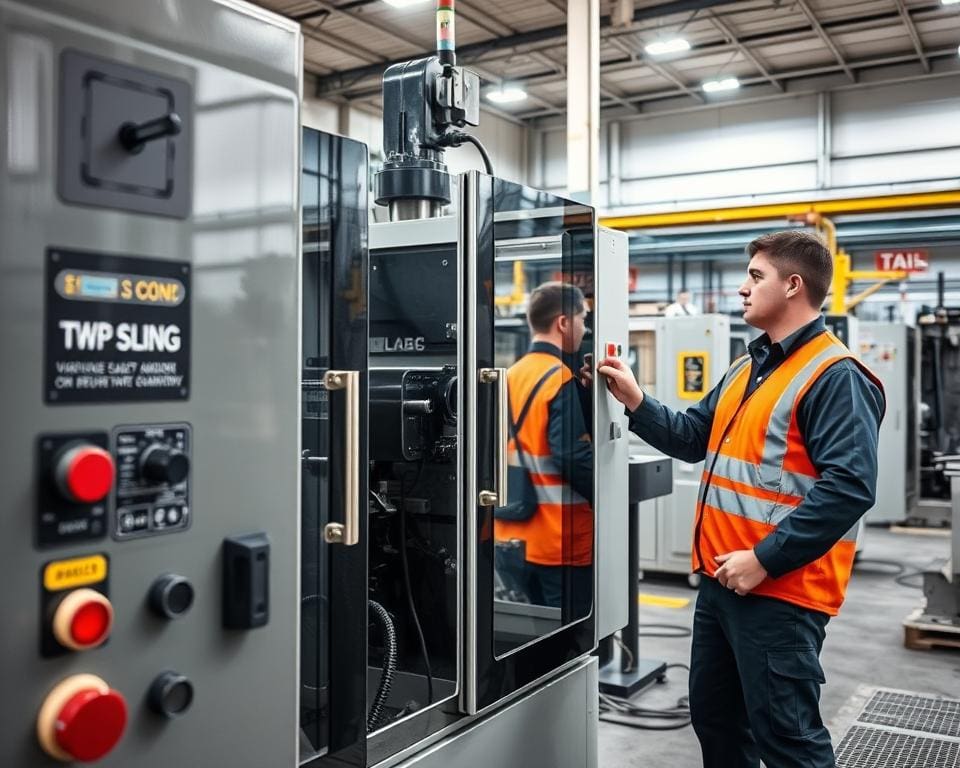

In the dynamic environment of industrial settings, machine guarding stands as a vital pillar of workplace safety. Its primary purpose is to shield workers from hazardous machinery by preventing access to moving parts and protecting against flying debris. By emphasising effective machine guarding strategies, businesses not only ensure compliance with health regulations but also cultivate a culture of safety that enhances employee morale and productivity. Investing in robust machine safety solutions reflects a company’s commitment to safeguarding its workforce, helping to minimise accident-related costs and fostering a more secure working environment.
The Importance of Machine Guarding in the Workplace
In a world increasingly focused on workplace safety, the importance of machine guarding cannot be overstated. Effective machine guarding not only enhances worker safety but ensures compliance with machine safety standards, creating a more secure working environment.
Understanding Machine Guarding
Understanding machine guarding necessitates a closer look at the various protective devices designed to prevent worker injuries. Types of guards serve distinct purposes, with each having a critical role in safety protocols. Fixed guards are permanently attached to machinery, providing a consistent barrier against hazards. In contrast, interlocked guards play a vital role by disabling machines when opened, ensuring that maintenance can be conducted safely. Adjustable guards allow flexibility during operations, accommodating various tasks while maintaining safety.
Training employees on machine guarding principles is essential, empowering them to recognise hazards and understand their responsibilities in upholding safety measures. Facilities that implement thorough guard training programmes often observe a remarkable reduction in workplace accidents.
Common Types of Machine Guards
Common types of machine guards include:
- Fixed Guards: These are effective barriers that prevent accidental contact with moving parts.
- Interlocked Guards: These guards automatically halt operations when removed, safeguarding workers during servicing.
- Adjustable Guards: These can be modified to suit different tasks, offering a blend of accessibility and protection.
Emerging technologies, such as electronic safety systems like light curtains and safety mats, further enhance safety. These systems leverage advanced technology to monitor and protect work areas, adapting to the specific needs of various machines. The diversity of types of machine guards available allows businesses to tailor their safety approaches, ensuring alignment with health and safety regulations and enhancing employee protection from potential hazards.
Why is machine guarding critical for industrial safety?
Ensuring a safe working environment is crucial in any industry. Machine guarding plays a significant role in this by actively preventing workplace injuries and promoting accident prevention strategies. In environments with heavy machinery, the risks are heightened, making it essential for businesses to implement effective safety measures.
Preventing Injuries and Accidents
Robust machine guarding systems are indispensable for preventing accidents in the workplace. These systems provide vital barriers between workers and hazardous machinery, reducing the risk of serious injuries such as amputations or fatalities. Industries often track injury statistics, revealing a staggering number of incidents linked to machinery. By prioritising safety equipment and ensuring comprehensive machine guarding, organisations can significantly decrease the likelihood of tragic events, creating a healthier workplace for employees.
Compliance with Health and Safety Regulations
Adhering to health and safety compliance is not merely a recommendation; it is a legal obligation under regulations such as the Health and Safety at Work Act 1974. This legislation outlines the legal requirements for machine guarding, stipulating that equipment must be safe for use. Non-compliance can result in hefty fines, reputational damage, and even legal action. By investing in effective machine guarding solutions, businesses can protect their workforce while reinforcing compliance with workplace regulations. This commitment not only safeguards employees but also shields the organisation from potential legal repercussions.
Impact of Poor Machine Guarding Practices
Inadequate machine guarding practices lead to alarming challenges in the workplace, with statistics on workplace injuries reflecting a pressing concern. The consequences range from immediate physical harm to profound impacts on business operations.
Statistics on Workplace Injuries
Recent industrial safety data reveals significant numbers associated with workplace injury statistics. In the UK manufacturing sector alone, more than 70,000 injuries have been reported. A considerable fraction of these incidents links back to machine guard failures, underscoring a critical need for improved safety measures. The economic repercussions of these injuries extend beyond physical costs, affecting overall business sustainability.
Long-term Consequences for Businesses
The long-term consequences of injuries resulting from improper machine guarding are numerous. Financial liabilities stemming from insurance claims and compensation payouts can severely impact an organisation’s profitability. Moreover, negative business implications include reputational damage and reduced employee morale. Companies that neglect workplace safety culture often experience heightened turnover rates, leading to spiralling training and recruitment costs. Investing in effective machine guarding not only safeguards employees but also fortifies a company’s future.
Case Studies of Guarding Failures
Examining case studies of notable machine guarding failures highlights the gravity of neglecting adequate protection measures. For instance, a manufacturing facility facing substantial fines after a worker sustained life-altering injuries due to inadequate guarding illustrates the high stakes involved. Safety incidents of this nature serve as cautionary tales, emphasising the necessity for robust machine guarding systems. Analysing these failures allows businesses to identify weak points in their safety protocols, thereby paving the way for effective risk mitigation strategies.
Choosing the Right Machine Guarding Solutions
When selecting machine guards, businesses face an array of factors that demand attention. The nature of the machinery involved and the specific risks associated with various tasks play pivotal roles in determining the optimal choice of safety equipment. Factors such as operational characteristics, space constraints, and accessibility must guide the assessment process. Collaboration with safety professionals ensures that selected guards align with industry standards while remaining practical for workers’ use.
Factors to Consider When Selecting Guards
Several critical considerations shape the decision-making process in selecting machine guarding solutions:
- Risk Assessment: Evaluate the hazards associated with machinery to determine appropriate guard types.
- Compliance: Ensure alignment with relevant safety regulations and standards to mitigate legal risks.
- Ergonomics: Choose guards that allow for easy access and usability to enhance worker safety and productivity.
- Integration: Consider how guards will work with existing automated safety systems and machinery.
Innovative Technologies in Machine Guarding
The landscape of safety is undergoing a transformation driven by modern technology. Innovative machine guarding solutions now include automated safety systems, such as light curtains that can detect human presence. These advancements enhance safety without impacting productivity. Additionally, IoT-connected machines enable real-time monitoring and automatic fault detection. Such technologies promote efficiency while ensuring compliance with safety protocols. By adopting these forward-thinking solutions, organisations can position themselves at the forefront of workplace safety.
The Future of Machine Safety and Guarding
The future of machine safety is undergoing a remarkable transformation, fuelled by advancements in automation and artificial intelligence. As industries adapt to a more interconnected environment, the use of next-generation guarding solutions is poised to redefine how safety measures are implemented. These innovative technologies not only enhance protection against potential hazards but also streamline operations to foster greater efficiency.
With evolving safety standards being a central focus for regulatory bodies, companies must remain vigilant and proactive in their approach to compliance. Stricter regulations are likely to emerge, compelling organisations to continually innovate and refine their safety practices. The emphasis will be on adopting cutting-edge measures that ensure the highest levels of protection while aligning with the latest advancements in technology.
In a landscape where workplace safety is paramount, the integration of sophisticated guarding technologies will play a crucial role in mitigating risks. By prioritising the adoption of next-generation solutions, businesses can not only safeguard their workforce but also enhance productivity. The ongoing commitment to embracing the future of machine safety will ultimately lead to a culture of safety that resonates throughout the industrial sector.