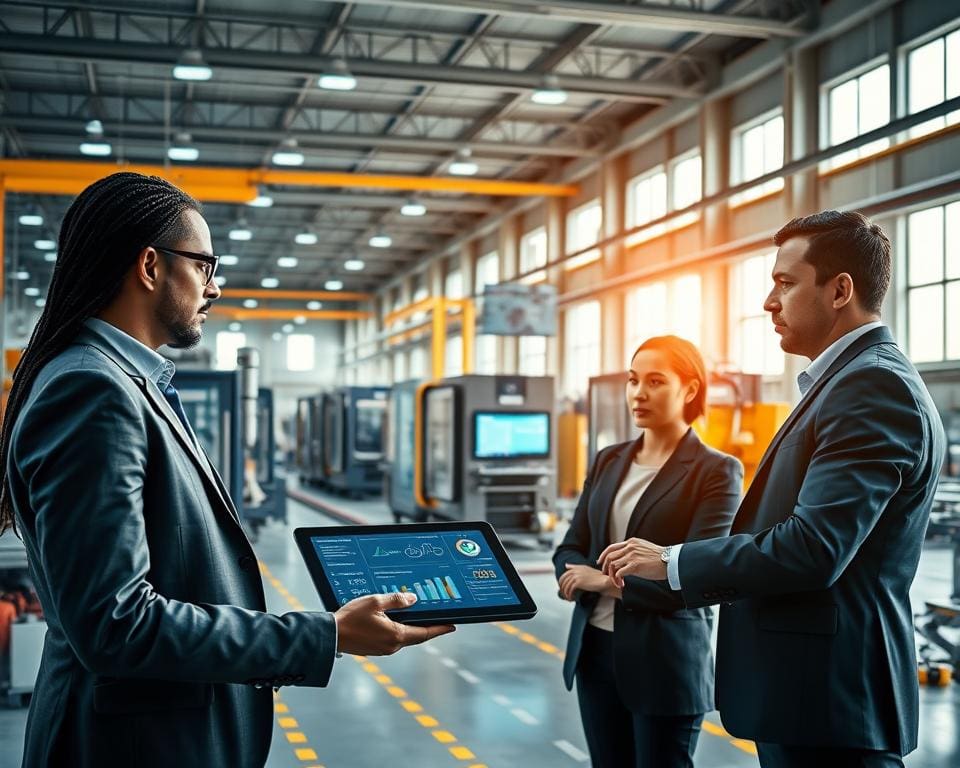

The Industrial Internet of Things (IoT) is revolutionising workplace safety by introducing interconnected devices and systems that enhance the overall safety environment. By employing IoT technologies, industries are now able to monitor conditions in real-time, uncovering potential hazards before they escalate into crises. This proactive approach not only elevates operational efficiency but also empowers employees to play a central role in ensuring their own safety.
By integrating advanced tools such as smart sensors and wearable devices, organisations can create safer workplaces where risks are mitigated through predictive analytics. Such innovation lays the foundation for a culture prioritising employee wellbeing, making the workplace not just a site for work but a haven for productivity and security.
The Role of Industrial IoT in Workplace Safety
The integration of Industrial IoT technologies marks a transformative era in enhancing workplace safety. These sophisticated systems empower organisations to mitigate risks associated with various workplace hazards. From machinery malfunctions to environmental dangers and human errors, understanding these risks is essential for forming a robust safety strategy.
Introduction to Industrial IoT Technologies
Industrial IoT encompasses an array of devices and tools designed for safety monitoring and risk assessment. Connected sensors collect real-time data, providing instant visibility into potential dangers. Artificial intelligence plays a vital role, utilising data analytics to predict and identify trends related to safety issues. This proactive approach facilitates timely interventions, ensuring that organisations stay one step ahead of potential workplace hazards.
Understanding Workplace Hazards
Identifying common workplace hazards is critical for any safety initiative. These include:
- Machine malfunctions leading to hazardous situations
- Environmental risks such as hazardous material exposure
- Human errors that can result in accidents and injuries
By leveraging IoT technologies, organisations can streamline their approach to safety. Continuous monitoring helps detect issues before they escalate, fostering a culture of safety and awareness among employees. This technological evolution not only enhances safety but promotes a healthier and more secure work environment.
How does industrial IoT support safer workplaces?
In today’s dynamic work environments, the integration of industrial IoT solutions has transformed safety protocols. Technologies such as sensors and connected devices offer innovative ways to create safer workplaces through real-time monitoring and predictive analytics. These advancements not only support risk mitigation but also enhance overall safety awareness among employees.
Real-time Monitoring for Enhanced Awareness
Real-time monitoring significantly improves safety awareness by providing continuous data on various environmental and operational factors. Organisations can track vital conditions, including temperature, air quality, and machinery performance. With instant feedback available, potential hazards can be addressed before they escalate. This proactive approach reduces the likelihood of accidents and fosters a culture of safety within the workplace, empowering employees to stay alert and informed.
Predictive Analytics and Risk Mitigation
Predictive analytics plays a crucial role in risk mitigation efforts by analysing historical data and trends to forecast potential hazards. By identifying patterns and indicators of unsafe conditions, organisations can implement measures to prevent incidents before they occur. This forward-thinking approach not only enhances worker security but also cultivates an environment where safety is prioritised, thereby elevating the overall standard of workplace safety.
Benefits of IoT Safety Solutions
Implementing IoT safety solutions offers transformational advantages for modern workplaces. These technologies not only enhance safety measures but also promote a more secure environment, fostering resilience among employees.
Reducing Workplace Accidents
IoT systems provide real-time data on hazardous conditions, enabling immediate responses. This capability significantly reduces workplace accidents by pinpointing risks and facilitating timely interventions. For instance, smart sensors can detect unsafe levels of chemicals or equipment malfunctions, alerting staff before accidents occur.
Cost-effective Safety Improvements
Investing in IoT solutions yields cost-effective outcomes. Streamlined operations through automated monitoring reduce overhead costs associated with safety compliance and incident management. As a result, companies can allocate resources more efficiently, leading to a reduction in the financial impact of workplace incidents.
Improving Employee Morale and Confidence
A safe work environment directly influences employee morale. When workers feel secure, their confidence in the organisation increases. Enhanced safety measures instil a sense of value among employees, promoting loyalty and engagement. This positive atmosphere contributes to overall productivity and retention, reinforcing the vast benefits of IoT in the workplace.
Integration of IoT Devices for Enhanced Safety
The integration of IoT devices into workplace environments represents a transformative approach to safety. Businesses are increasingly recognising the value of technology that not only enhances productivity but also prioritises employee well-being. By effectively utilising wearable technology and smart sensors, organisations can create a robust safety infrastructure that responds dynamically to changing workplace conditions.
Wearable Technology for Personal Protection
Wearable technology has emerged as a game-changer in personal protection. Devices like smart helmets and vests equipped with advanced sensors continuously monitor vital signs such as heart rate, fatigue levels, and environmental conditions. This data empowers workers by alerting them to potential dangers before they escalate. Such proactive measures foster not just a safer environment but contribute to building a culture of health and safety within the workplace.
Smart Sensors for Environmental Monitoring
Smart sensors play a crucial role in environmental monitoring, offering real-time data on various factors, including temperature, humidity, and air quality. These sensors can detect unsafe levels of chemicals or hazardous conditions, triggering automated safety protocols and alerts. By embracing IoT device integration, organisations ensure a comprehensive safety net that not only safeguards employees but enhances overall operational efficiency.
Case Studies: Successful Implementation of Industrial IoT
The adoption of industrial IoT has transformed safety protocols across various sectors. By examining real-world examples, organisations can discover innovative solutions that have significantly enhanced workplace safety. These case studies showcase the practical applications of technology and highlight the best practices derived from successful industrial IoT implementation.
Real-world Examples from Different Industries
In the manufacturing sector, companies like Siemens have leveraged industrial IoT technologies to improve safety measures on the production floor. By integrating smart sensors, they can monitor equipment for potential failures, significantly reducing the risk of accidents. In construction, Skanska has implemented wearable technology for site workers, enabling real-time data collection on working conditions, thus minimising exposure to hazards. Logistics firms, such as DHL, utilise IoT devices to monitor vehicle health and driver behaviours, increasing safety during transportation operations.
Lessons Learned and Best Practices
Successful industrial IoT implementation often reveals valuable lessons. Organisations face challenges such as interoperability between devices and data overload. By establishing clear objectives and investing in training, businesses can effectively address these issues. Best practices include starting with pilot projects to test systems before full-scale implementation and engaging employees at all levels to foster a safety culture. Integrating feedback loops helps refine processes and enhances the overall effectiveness of IoT applications in safety.
The Future of Safety in the Workplace with IoT
As we look towards the future of workplace safety, the integration of Industrial IoT advancements is set to transform the way organisations approach risk management. With emerging technological trends such as artificial intelligence and machine learning, businesses will not only enhance their safety protocols but also create a culture of proactive hazard mitigation. These innovations will facilitate real-time data analysis, allowing for immediate adjustments in safety measures as workplace environments evolve.
The evolution of workplace safety hinges on the adaptability of organisations in responding to new challenges posed by changing job sites and tasks. IoT advancements present opportunities for more sophisticated safety solutions tailored to specific industries, fostering a safer atmosphere for employees. This commitment to leveraging technology underscores the necessity for comprehensive training programs, ensuring that staff are equipped to utilise these tools effectively.
Ultimately, the future of workplace safety will rely on a collaborative effort between technology and human resources. As organisations embrace this evolving landscape, it is essential to remain informed and agile. By doing so, they can cultivate an innovative work environment that prioritises employee wellbeing, ultimately driving productivity and satisfaction in the years to come.