In today’s dynamic work environments, ensuring workplace equipment safety is paramount for the protection of every employee. PUWER inspection services play a crucial role in this endeavour, focusing on the Provision and Use of Work Equipment Regulations—an essential regulatory framework in the UK. By implementing these services, businesses not only safeguard their employees but also ensure machinery compliance in the UK, significantly reducing the risk of workplace accidents. Adopting PUWER inspection services fosters a proactive culture of safety, instilling confidence among employees about the equipment they operate and building a foundation for a secure working environment.
Understanding PUWER Inspections
PUWER, or the Provision and Use of Work Equipment Regulations, represents a crucial framework for ensuring machinery safety compliance in the workplace. This regulation requires employers across the United Kingdom to ensure that all work equipment is secure and safe for operational use. Understanding PUWER is essential to creating a safe working environment and mitigating risks associated with machinery.
What is PUWER?
PUWER explained encompasses a series of mandatory regulations that focus on the safe provision and use of work equipment. Originating from health and safety legislation, these regulations seek to prevent accidents and injuries that might arise from improper or unsafe machinery use. Employers must conduct regular inspections and maintenance, ensuring compliance with PUWER standards. This systematic approach not only safeguards workers but also promotes a culture of safety within organisations.
The Importance of PUWER Regulations
The importance of PUWER regulations cannot be overstated. By mandating regular inspections and compliance checks, these regulations aim to minimise workplace injuries. Effective adherence leads to enhanced employee morale, a more productive workforce, and potentially lower insurance costs for businesses. Through diligent machinery safety compliance, organisations not only meet legal obligations but also demonstrate a commitment to the well-being of their employees, fostering an environment where safety is prioritised.
How do PUWER inspection services improve workplace equipment safety?
PUWER inspection services play an essential role in maintaining workplace safety by identifying potential hazards and assessing risks associated with equipment usage. Through systematic evaluations, these inspections not only detect issues but also promote proactive safety measures that keep employees secure.
Identifying Hazards and Risks
The process of hazard identification is foundational in establishing a safe working environment. By conducting thorough inspections, organisations can pinpoint specific risks before they escalate into serious accidents. Incorporating risk assessments into these procedures ensures a comprehensive analysis of machinery, which allows for the implementation of timely interventions.
Ensuring Compliance with Legal Standards
Legal compliance is a critical aspect of equipment management. PUWER inspection services aid companies in adhering to safety regulations, significantly reducing the potential for legal liabilities. Regular safety assessments not only guarantee adherence to applicable laws but also reinforce a culture of safety within the organisation.
Regular Maintenance and Safety Assessments
Regular maintenance checks are vital for the continued operation of machinery, enabling smooth functionality and reducing the likelihood of breakdowns. Equipment safety assessments conducted as part of these checks contribute to efficiency and safety, reassuring employees that their workplace prioritises well-being and compliance.
The Role of Competent Engineers in PUWER Inspections
Competent engineers play an essential role in ensuring the effectiveness of PUWER inspection services. These professionals possess the vital qualifications for machinery safety, which allows them to carry out thorough assessments and inspections of equipment. Their expertise contributes significantly to enhancing workplace safety across various sectors in the UK.
Qualifications and Expertise
To become a competent engineer, individuals must undergo rigorous training that focuses on both theoretical and practical knowledge related to machinery safety. Relevant qualifications include engineering degrees, specialised certifications in equipment safety, and extensive hands-on experience. This rigorous preparation ensures that engineers are equipped to handle the complexities involved in assessing machinery safety.
Machinery Safety Assessments by Competent Engineers
When it comes to assessing machinery safety, competent engineers are invaluable. They excel in expert equipment inspections in the UK, allowing them to identify potential hazards and weaknesses in machinery operation. By leveraging their comprehensive understanding of safety standards and regulations, these professionals offer actionable insights that help businesses maintain compliance and enhance safety conditions in the workplace.
Impact on Different Sectors: Warehouses and Manufacturing
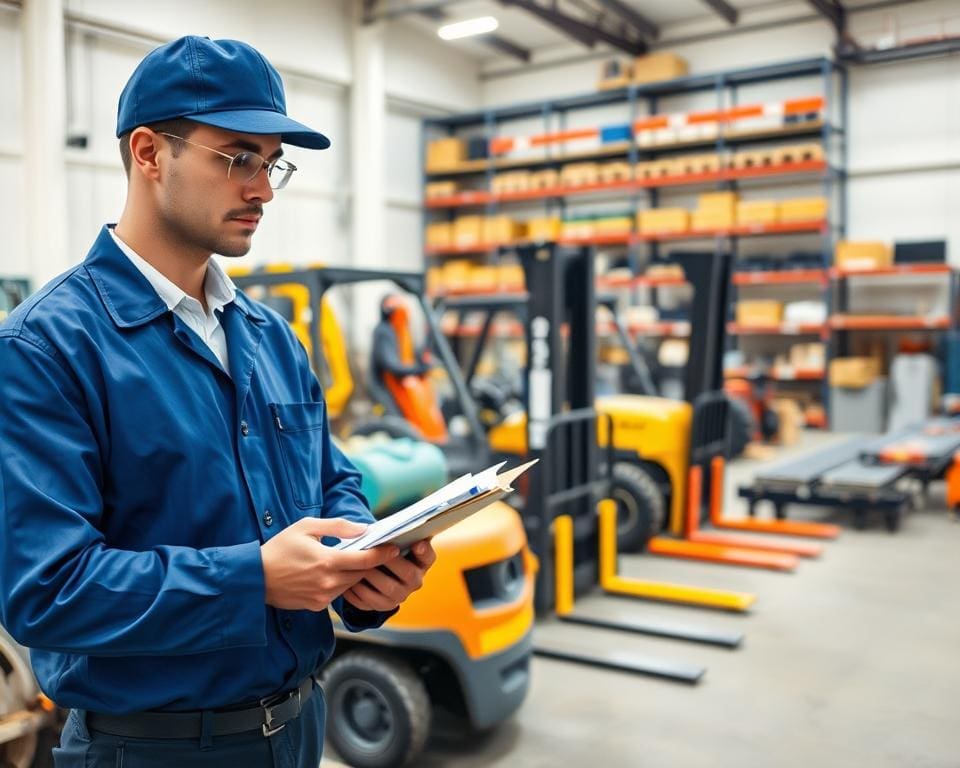
The diverse landscape of warehouses and manufacturing facilities presents a range of unique safety challenges that necessitate tailored approaches. Implementing effective PUWER inspections for warehouses plays a crucial role in addressing these equipment challenges to enhance overall safety standards. Understanding the specific needs of each sector enables organisations to create robust safety protocols and ensure compliance with manufacturing safety standards.
Specific Challenges in Warehousing
Warehouses often grapple with various equipment challenges due to the nature of their operations. Key concerns include:
- Safety of storage equipment, particularly racking systems designed to hold heavy loads.
- Effective use and maintenance of mechanised handling devices, such as forklifts and conveyor systems.
- Ensuring a systematic approach to identifying potential hazards related to equipment layout and worker movement.
These factors highlight the need for regular sector-specific safety assessments, facilitating a proactive safety culture that significantly mitigates risk.
Safety Considerations in Manufacturing Environments
In manufacturing environments, strict adherence to safety protocols is paramount. Using appropriate PUWER inspections for warehouses ensures that heavy machinery operates efficiently while upholding safety standards. The following considerations are vital:
- Regular inspections to detect potential malfunctions in machinery.
- Training employees on operational safety measures and emergency protocols.
- Adapting safety strategies to align with evolving manufacturing processes and equipment advancements.
Effective safety practices within these environments not only protect workers but also contribute to the longevity of equipment, ensuring uninterrupted production flows.
Periodic Machinery Safety Reassessments
Undertaking regular machinery safety reassessments is an essential component of maintaining compliance with PUWER regulations. As workplace environments evolve and operational procedures change, these periodic assessments become crucial in identifying new risks associated with equipment. By adapting to these shifts, businesses can ensure they remain compliant while simultaneously promoting a culture of safety that resonates throughout the organisation.
Ongoing compliance checks not only help to mitigate potential hazards but also play a pivotal role in enhancing overall workplace safety. These assessments allow companies to take proactive measures in managing equipment risk effectively. Furthermore, they provide an opportunity to reinforce safety standards among employees by demonstrating a commitment to their well-being and the integrity of the machinery in use.
Engaging machinery safety specialists, such as those at Safemach, contributes significantly to this process. Expert services ensure that reassessments are thorough and tailored to meet compliance needs effectively. By prioritising periodic machinery safety reassessments, businesses can confidently navigate the complexities of equipment risk management, ultimately fostering a safer and more productive work environment.