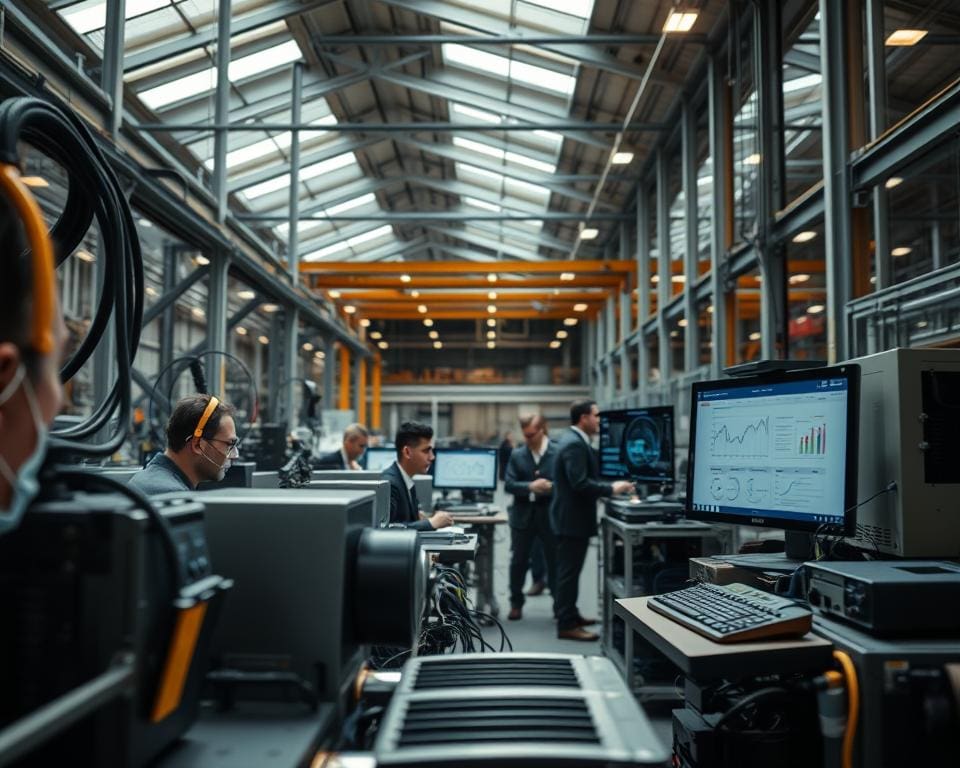

In the fast-paced world of production environments, hardware reliability is not merely an advantage but a fundamental necessity. Ensuring that machinery and systems operate without disruption is key to maximising production efficiency. When hardware fails, not only does it halt operations, but it also compromises the quality output that businesses strive to maintain. The interdependence of hardware with software systems, especially in automation, creates a complex ecosystem where reliability is paramount. Emphasising hardware reliability ultimately leads to reduced operational risks and fosters an environment for sustained success.
The Importance of Hardware Reliability
In today’s competitive landscape, the reliability of hardware plays a vital role in enhancing productivity. Companies that invest in dependable components witness significant improvements in efficiency. A streamlined production flow is achievable only when hardware functions without interruptions, allowing operations to run smoothly. The emphasis on consistency translates to reduced operational costs, as fewer resources are spent on resolving mechanical failures.
Impact on Overall Efficiency
Reliable hardware directly contributes to a more efficient production environment. When machinery operates as expected, it minimises delays and errors that can hinder productivity. Efficiency gains can be seen in the following ways:
- Improved machine uptime, leading to higher output
- Enhanced resource allocation, reducing waste
- Streamlined work processes that boost employee morale
Role in Quality Control
The connection between hardware reliability and quality assurance cannot be overstated. Consistent performance ensures that products meet industry standards, fostering trust among customers. When quality control measures are effectively implemented, businesses can achieve:
- Lower defect rates in final products
- A reduction in rework and recalls, preserving both resources and reputation
- Increased customer satisfaction and loyalty
Understanding Production Environments
Production environments encompass a variety of settings, each with distinct production types and operational demands. Comprehending these manufacturing environments is essential for identifying and addressing the unique challenges they present.
Types of Production Environments
The categorisation of production environments can be broadly defined into three main types:
- Discrete Manufacturing – This type involves distinct items, such as automobiles or electronics, where individual units can be easily counted and identified.
- Process Manufacturing – Here, products are created through chemical processes, producing goods like beverages or chemicals, often in bulk and continuously.
- Batch Manufacturing – In this environment, items are produced in groups or batches, allowing for variation between manufacturing cycles, common in food or textile industries.
Common Challenges Faced
Each of these manufacturing environments confronts specific operational hurdles that can impact productivity and reliability.
- The risk of equipment obsolescence can affect production efficiency, requiring constant upgrades and maintenance.
- High operational costs present a significant challenge, often stemming from energy usage and labour expenses.
- Complex supply chain dynamics can lead to disruptions, making it essential to manage logistics effectively.
Why is hardware reliability crucial in production environments?
In the fast-paced world of manufacturing, the operational reliability of hardware is paramount. Unreliable machines can lead to unexpected production stoppages, creating significant challenges for businesses striving for production continuity. The ripple effect of these failures often results in increased maintenance costs and delays that can severely impact efficiency.
Effective risk management strategies must incorporate assessments of hardware lifespan to mitigate unforeseen breakdowns. High-quality components can enhance durability, thereby extending the hardware lifespan and reducing the vulnerability of operations to failures. Investing in robust machinery fosters a culture of reliability, promoting seamless operations that are crucial for meeting market demands.
By prioritising hardware reliability, companies position themselves to navigate unpredictable production climates. Long-term investments in dependable equipment not only secure production continuity but also cultivate a sustainable environment where operational risks are minimised, ensuring a competitive edge in the marketplace.
Consequences of Hardware Failure
Hardware failures can instigate a cascade of repercussions for businesses, often leading to unanticipated challenges. The financial implications of these failures can be severe, affecting not only immediate operations but also long-term growth. Understanding the gravity of these consequences highlights the necessity for reliable hardware in production environments.
Downtime and Lost Revenue
Unplanned downtime due to equipment failure translates directly into financial loss. Companies may face significant losses as production halts and deadlines are missed. In many cases, these failures lead to:
- Increased operational costs associated with repairs and maintenance.
- Compromised supply chain timelines, resulting in penalties or lost contracts.
- A drop in productivity, impacting overall revenue generation.
The correlation between downtime and financial loss is clear and should not be underestimated. Each moment that equipment is non-operational equates to potential income slipping away.
Reputational Damage
Beyond immediate financial repercussions, hardware failures can inflict lasting damage on a company’s business reputation. A tarnished reputation directly impacts customer trust, which is vital for sustaining a loyal client base. This can lead to:
- Customers seeking alternatives due to perceived unreliability.
- Negative reviews that spread quickly in an interconnected world.
- Difficulty in attracting new clients while past failures linger in public consciousness.
In a competitive marketplace, maintaining a sturdy business reputation is essential. Equipment failure can jeopardise consumer confidence, emphasising the importance of hardware reliability in safeguarding against such risks.
Factors Influencing Hardware Reliability
The reliability of hardware in production environments is shaped by numerous factors. Understanding these elements is essential for optimising performance and minimising failure. Focus on component quality and effective maintenance practices proves critical in achieving enhanced reliability.
Quality of Components
The foundation of hardware reliability lies in the quality of components used. Robust materials and precision engineering directly determine how well a system can perform under stress. Investing in high-grade components not only improves durability but also reduces the risk of unexpected breakdowns. Businesses should prioritise sourcing parts that meet rigorous standards to ensure longevity.
Maintenance Practices
Adhering to well-structured maintenance schedules is a vital component of lifecycle management. Routine checks and preventive maintenance strategies can significantly bolster equipment reliability. Timely upgrades and assessments help identify potential issues before they escalate, thereby ensuring smooth operations. A proactive approach to maintenance enables companies to keep their production systems running efficiently, ultimately safeguarding against costly downtime.
Best Practices for Ensuring Hardware Reliability
Organisations committed to maintaining superior hardware reliability should adopt structured strategies that not only prevent failures but also promote efficiency. Establishing effective maintenance best practices stands at the forefront of these efforts. Regular maintenance entices reliability enhancement, ensuring every piece of equipment functions at optimal levels. Combining this with careful investment in equipment can lead to substantial gains in operational longevity and reduced costs.
Regular Maintenance Schedules
Implementing regular maintenance schedules can significantly mitigate risks associated with hardware failures. By conducting systematic checks, teams can identify potential issues before they escalate. A well-planned maintenance routine might include:
- Routine inspections of machinery and components
- Scheduled updates for software and firmware
- Prompt repairs based on diagnostic findings
Employing these practices fosters a culture of proactive management, ultimately enhancing performance and productivity across the board.
Investing in Quality Equipment
The investment in equipment plays a critical role in the long-term success of any production environment. Opting for high-quality tools and machines from reputable manufacturers can lead to fewer breakdowns and disruptions. Although initial costs may set organisations back, the advantages become evident through:
- Lower maintenance costs over time
- Increased efficiency and output
- Enhanced reliability and reduced downtime
By prioritising quality equipment, businesses can improve their reliability enhancement strategies, ensuring they remain competitive in an ever-evolving market.
Future Trends in Hardware Reliability
The future of hardware reliability in production environments is increasingly shaped by technological advancements that promise to enhance performance and reduce risk. At the forefront of this evolution is predictive maintenance, a methodology that utilises data analytics to foresee potential equipment failures before they occur. This proactive approach not only minimises downtime but also significantly optimises operational efficiency, thereby ensuring sustained productivity.
Moreover, the integration of the Internet of Things (IoT) in production processes is revolutionising how manufacturers monitor and manage their equipment. By embedding smart sensors and devices, organisations can gather real-time insights into equipment performance, providing an unprecedented level of visibility. This connectivity helps in pinpointing inefficiencies and facilitates timely interventions, ultimately boosting hardware reliability.
As industries continue to adapt to changing demands and technological landscapes, future-proofing hardware investments becomes essential. Companies must prioritise selecting adaptable systems and components that can evolve over time. Embracing these trends not only enhances immediate operational resilience but also prepares businesses for the challenges of tomorrow’s market, ensuring they remain competitive in an ever-changing environment.