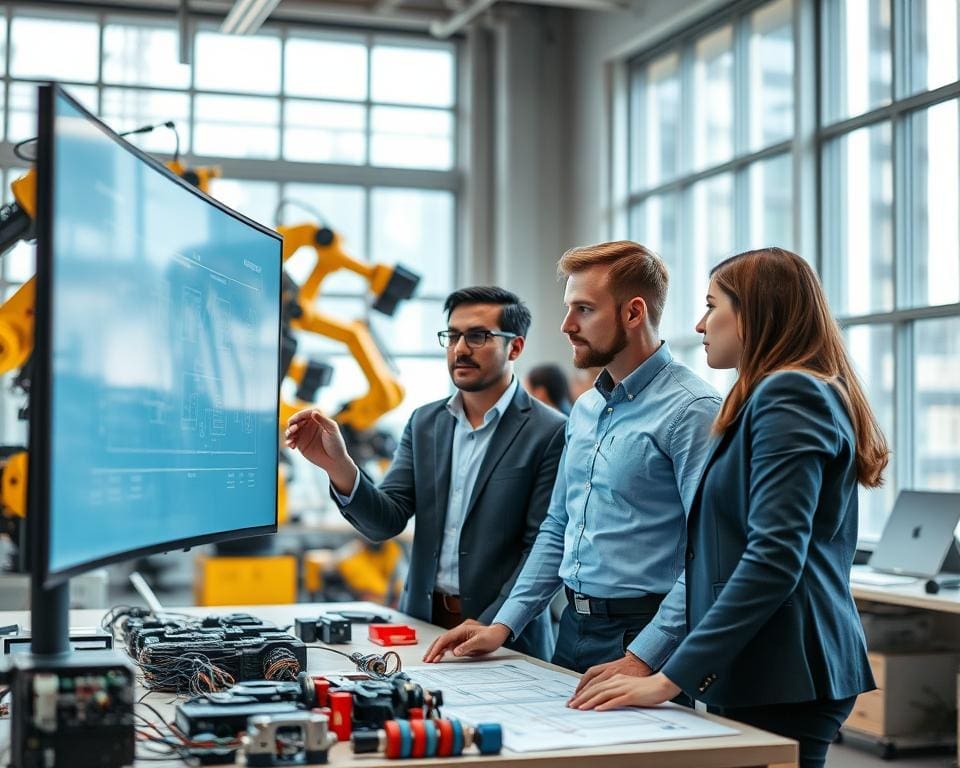
In today’s rapidly evolving industrial landscape, the role of engineers in ensuring safe machine integration has never been more critical. With their profound understanding of various engineering disciplines, these professionals are at the helm of designing systems that not only optimise operational efficiency but also adhere to stringent safety standards. It is their expertise that underpins successful machine integration within industrial settings, where any oversight could lead to significant risks and safety breaches. As we delve deeper into this essential topic, it becomes evident that engineers are, indeed, the backbone of safety in the world of machine integration.
The Role of Engineers in Industrial Settings
Engineers play a critical part in ensuring that processes are efficient, safe, and aligned with modern technological advancements. Different engineering disciplines contribute unique perspectives and solutions to the challenges presented during machine integration. Understanding these disciplines allows stakeholders to appreciate the multifaceted approaches employed in industrial settings.
Understanding Engineering Disciplines
The world of engineering encompasses various fields, each with its distinct focus and expertise. The primary engineering disciplines include:
- Mechanical Engineering
- Electrical Engineering
- Automation Engineering
Mechanical engineers are pivotal in designing and implementing machinery that meets specific operational standards. Their expertise ensures that machines function reliably under various conditions. Safety engineers focus on identifying potential hazards and implementing measures to mitigate risks. Industrial engineers analyse and improve processes, optimising efficiency whilst maintaining safety and quality standards. Automation engineers provide insights into the integration of automated systems, improving productivity and consistency.
Types of Engineers Involved in Machine Integration
Machine integration involves a diverse set of engineers working collaboratively to achieve a unified goal. The key types include:
- Mechanical Engineers: They design mechanical systems and components, ensuring robust functionality and durability.
- Industrial Engineers: They streamline processes, focusing on improving efficiency without compromising safety.
- Safety Engineers: They assess risks and develop safety protocols to protect both personnel and equipment.
- Automation Engineers: They create systems that enhance machine performance through automation techniques.
Each engineer contributes to the overall success of the integration process, helping to create safer, more efficient machines that are essential in modern industries.
Importance of Safety Standards in Machine Integration
The implementation of safety standards plays a pivotal role in the process of machine integration within various industries. These regulations serve as benchmarks, ensuring that machinery operates within defined parameters to protect personnel and maintain operational efficiency. Strict adherence to safety standards not only promotes compliance but also fosters a culture of health and safety across the workplace.
Key Safety Regulations and Compliance
A few notable industry regulations significantly impact machine integration efforts. The Machinery Directive and ISO 45001 are essential frameworks that guide manufacturers and operators in maintaining compliance. These standards outline essential practices and requirements that minimise risks associated with machinery use. Engaging with such regulations mitigates hazards and promotes a proactive approach to health and safety in the workplace.
Impact of Safety Breaches on Industry
Non-compliance with established safety standards can result in serious ramifications for businesses. These penalties often include substantial financial fines that can threaten the viability of an organisation. Furthermore, breaches can damage reputations, leading to a loss of customer trust and dwindling market confidence. More importantly, inadequate compliance can jeopardise the safety of personnel, putting lives at risk and creating a culture of carelessness. In essence, the consequences of neglecting safety standards extend beyond regulatory fines, infiltrating the very foundation of organisational integrity.
Why are engineers central to safe machine integration?
Engineers play a pivotal role in the realm of machine integration, focusing on the intricate balance between functionality and safety. Their extensive training in risk assessment equips them to identify potential hazards during the design phase. By prioritising safety, engineers are integral in shaping systems that meet rigorous engineering standards.
Expert Knowledge in Risk Assessment
The expertise in risk assessment possessed by engineers is essential for ensuring safe machine integration. By evaluating various risks associated with machine operation, they can proactively identify vulnerabilities and address them before implementation. This foresight not only enhances safety but also optimises efficiency, reducing the likelihood of expensive safety incidents.
Designing Safe and Efficient Systems
Collaboration among engineers fosters the creation of safe and efficient systems through thoughtful system design. Each engineer offers valuable insights, ensuring that all aspects of safety engineering are considered. This teamwork results in innovative solutions that uphold robust engineering standards, establishing a foundation for reliable and safe machine operation.
Technological Advancements in Machine Integration
In today’s rapidly evolving industrial landscape, technological advancements play a pivotal role in enhancing machine integration and safety. Cutting-edge solutions such as the Internet of Things (IoT), artificial intelligence (AI), and advanced robotics are at the forefront of safety innovations, transforming how industries operate.
Innovations Driving Safety Enhancements
Recent innovations have significantly improved safety measures within machine integration processes. Integrating IoT allows for real-time monitoring of machinery, enabling immediate responses to potential hazards. AI technologies enhance predictive maintenance, identifying risks before they escalate. These advancements not only streamline operations but also assure that safety standards remain high. Advanced robotics further enhance integration through precision and reliability, minimising human error.
The Future of Machine Integration Technologies
Looking ahead, future technologies promise to revolutionise machine integration even further. Innovations such as machine learning and smart automation are set to redefine operational efficiencies. Enhanced data analytics will lead to more informed decision-making, allowing for proactive safety measures that adapt to evolving conditions. This integration of new technologies signifies a shift towards safer and more efficient industrial environments, where risks are meticulously managed and minimised.
Collaboration Across Disciplines for Safety
In the complex world of machine integration, the synergy between diverse engineering disciplines is essential. Interdisciplinary collaboration enables teams to approach safety from various perspectives, ensuring a comprehensive understanding of potential risks. This blend of expertise fosters innovative solutions that traditional approaches may overlook.
The Role of Interdisciplinary Teams
Interdisciplinary teams bring together engineers from multiple specialisations, creating a rich environment for teamwork and shared knowledge. Each member contributes their unique insights, leading to more effective safety measures. Key benefits include:
- Diverse Skill Sets: Engineers bring varied expertise, enhancing problem-solving capabilities.
- Comprehensive Risk Assessments: A multi-disciplinary viewpoint allows for thorough evaluations of safety risks.
- Enhanced Innovation: Collaboration sparks creativity, resulting in innovative safety solutions.
Communication Between Engineers and Operators
Effective communication between engineers and operators is crucial in fostering a culture of safety. Operators possess hands-on experience that complements the theoretical knowledge of engineers. Successful integration relies on:
- Regular Meetings: Frequent discussions promote transparency and alignment on safety practices.
- Clear Guidelines: Well-defined communication channels ensure that important information flows seamlessly.
- Feedback Mechanisms: Constructive feedback enhances operational readiness and quick responses during emergencies.
Case Studies of Successful Machine Integration
This section explores notable case studies that exemplify successful machine integration. Through these examples, invaluable lessons learned will emerge, shedding light on the methods that contribute to effective outcomes. A focus on best practices within the industry will inspire future projects, allowing engineers to build upon proven strategies.
Lessons Learned from Past Integrations
Examining past integrations reveals crucial insights that can shape future efforts. For instance, a British automotive manufacturer implemented advanced robotics in their assembly line. The integration showcased the importance of early risk assessments, confirming that identifying potential hazards upfront can significantly enhance worker safety. Lessons learned from this case highlighted the need for ongoing training and clear communication, ensuring that all team members remain vigilant.
Highlighting Best Practices in the Industry
Successful integration not only relies on cutting-edge technology but also on adopting best practices that streamline processes. One exemplary case is found in the pharmaceuticals sector, where a leading company prioritised safety by involving engineers in every phase of integration. Frequent evaluations and the use of simulation technologies enabled proactive adjustments, promoting efficiency while safeguarding personnel. Other best practices include fostering a culture of collaboration and continuous improvement, proving essential for sustainable success.
The Future of Engineering and Machine Integration
As the landscape of engineering evolves, the future of machine integration will undoubtedly be shaped by progressive technologies and innovative practices. With the rise of automation and artificial intelligence, future engineering will demand greater synergies between machine systems and human operators. This shift not only enhances efficiencies but also raises the bar on safety protocols, ensuring that integrated systems can operate seamlessly while prioritising worker wellbeing.
Emerging machine integration trends highlight the necessity for engineers to embrace digital tools, such as predictive analytics and real-time monitoring systems. These advancements are set to revolutionise how engineers design and manage integrated processes, offering unprecedented insights into system performance. Young engineers entering the field should prepare themselves by acquiring skills that leverage these digital technologies, positioning themselves as key players in the ongoing transformation of the engineering landscape.
Moreover, the commitment to continuous education and training cannot be overstated. As engineering advancements pave the way for more complex and interconnected systems, practitioners must remain adaptable and informed. By fostering a culture of lifelong learning, engineers will not only meet the challenges of tomorrow but will also harness the opportunities that arise, ensuring that the future of machine integration is synonymous with innovation, safety, and efficiency.