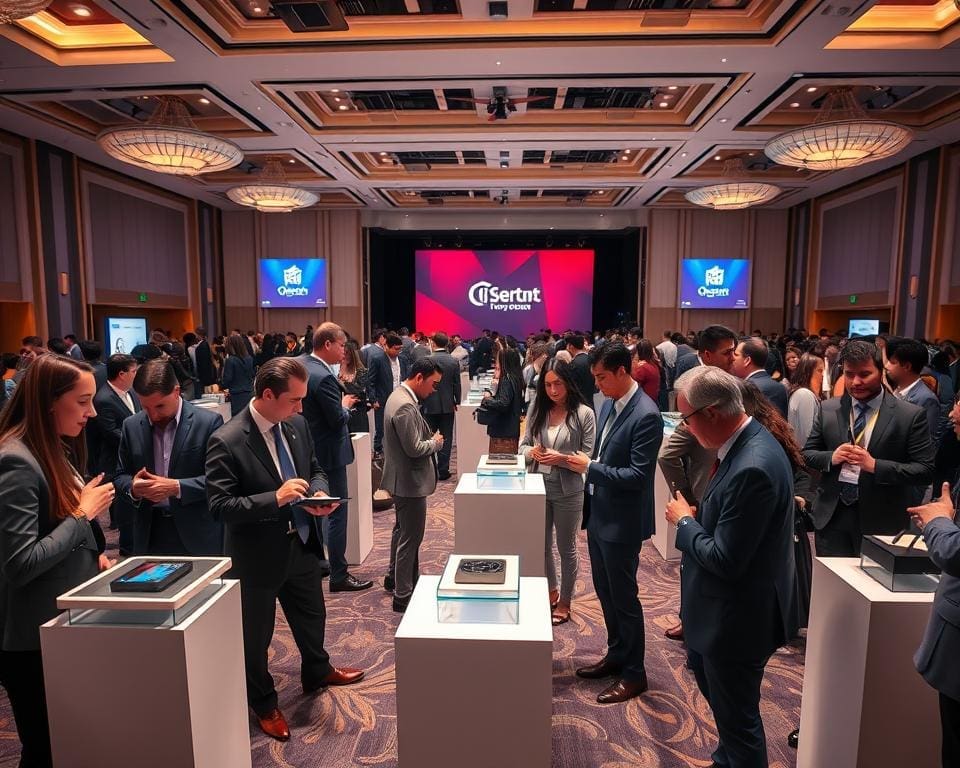
In today’s fast-paced market, the significance of product launches cannot be overstated, and events play a pivotal role in the success of these marketing strategies. They enable direct interaction between brands and consumers, fostering meaningful engagement that resonates deeply with target audiences. By creating immersive experiences that reflect a brand’s ethos, event marketing not only amplifies brand visibility but also builds anticipation and excitement around new products. With statistics highlighting the effectiveness of events in driving consumer engagement, it’s clear that leveraging such platforms is essential for cultivating long-lasting customer relationships.
The Power of Live Interaction
Live interaction during product launches offers brands a unique opportunity to foster personal connections with consumers. Such face-to-face experiences resonate deeply, with studies indicating that a significant percentage of consumers feel a stronger bond with a brand after engaging in live events. In a world dominated by digital communication, the appeal of in-person interactions cannot be overstated.
Building Personal Connections with Consumers
Creating personal connections is paramount for nurturing brand loyalty. Engaging with consumers in a live setting allows companies to convey authenticity and trust. Brands can achieve this through tailored conversations and genuine interactions. Techniques like interactive booths enable customers to participate actively, turning passive observers into engaged participants. This direct correspondence enhances customer experiences, leaving lasting impressions.
Creating Memorable Experiences
Memorable experiences elevate brand engagement significantly. Brands like Apple and Tesla exemplify this approach by crafting immersive storytelling around their products. Involving customers in product demonstrations not only showcases features but also allows consumers to connect emotionally. Whether through hands-on activities or captivating narratives, the goal remains the same: create an interaction that goes beyond mere transactions, fostering loyalty and enthusiasm among consumers.
Generating Buzz and Anticipation
Creating excitement before a product launch is essential for any brand looking to make a significant impact. Social media plays a critical role in this buzz generation, offering platforms where brands can engage their audience and build consumer anticipation. Effective strategies include countdowns, teasers, and collaborations with influencers, all designed to increase visibility and create a strong desire for the upcoming product.
Utilising Social Media for Promotion
Harnessing the power of social media allows brands to reach a wider audience and generate conversation around new products. Companies like Nike and Coca-Cola have successfully implemented social media campaigns that incorporate engaging visual content and interactive features. By sharing behind-the-scenes glimpses, sneak peeks, and enticing announcements, these brands keep potential customers engaged and eagerly awaiting the launch day.
Encouraging Word-of-Mouth Marketing
Creating shareable content can further amplify buzz through organic word-of-mouth marketing. When consumers find content that resonates with them, they are likely to share it with their networks. Statistical insights reveal that 92% of consumers trust recommendations from friends and family over any other form of advertising. This powerful influence emphasises the need for brands to cultivate authentic and relatable messaging that encourages sharing.
How do events support product launches effectively?
Events play a crucial role in the success of product launches, particularly through the power of live demonstrations and immediate interactions with consumers. A carefully organised event can transform a simple product showcase into an immersive experience, allowing potential customers to engage directly with the offerings.
Showcasing Products in Real Time
Live demonstrations during events can captivate audiences, providing them with a clear understanding of a product’s features and benefits. This approach not only illustrates how the product works but also drives excitement among attendees. Notable brands like Samsung and Microsoft effectively utilise real-time interactions, ensuring that viewers can experience products firsthand. The immediacy of these events enhances engagement, creating a memorable connection that can convert interest into sales.
Gathering Instant Feedback
One of the standout advantages of hosting an event is the ability to collect real-time feedback from attendees. By encouraging participation and dialogue, brands gain valuable consumer insights that can inform future marketing strategies. Understanding firsthand reactions allows companies to adapt their offerings and refine messaging, thus improving overall event marketing effectiveness. Real-time feedback mechanisms, such as interactive Q&A sessions or post-event surveys, further enhance this dynamic, ensuring that the voice of the consumer is pivotal in shaping product evolution.
Enhancing Brand Visibility
Events serve as powerful catalysts for enhancing brand visibility, creating lasting impressions through immersive experiences. A well-executed event can significantly contribute to the process of identity creation for a brand, allowing it to resonate with the target audience. By curating unique atmospheres and interactions, organisations can embody their values and engage potential customers effectively.
Creating a Unique Brand Identity
Building a distinctive brand identity is crucial in today’s competitive market. Events provide a platform for brands to showcase their persona creatively. Through innovative themes and engaging activities, brands can highlight what sets them apart. Elements such as:
- Interactive installations that connect emotionally with attendees
- Talented speakers who embody the brand’s ethos
- Environmentally conscious practices that reflect corporate responsibility
All of these contribute to a memorable experience that strengthens brand visibility while fostering loyal customer relationships. Identity creation in this manner allows brands to weave their narratives seamlessly into the fabric of the event, encouraging engagement and recognition.
Leveraging Sponsorship Opportunities
Sponsorships play a pivotal role in elevating brand visibility at large-scale events. Aligning with reputable events not only boosts recognition but also positions a brand as an industry leader. Consider notable examples such as Red Bull, which has mastered strategic marketing by backing extreme sports. The association with high-energy events amplifies their presence and cements their identity in the minds of their audience.
Brands looking to enhance their visibility should consider the following advantages of sponsorships:
- Access to an expansive audience that shares similar interests
- Association with high-quality events, elevating brand perception
- Opportunities for direct engagement, fostering deeper connections
By strategically leveraging these sponsorship opportunities, brands can enhance their overall market presence and ensure they remain memorable within their industries.
Networking and Collaboration Opportunities
Events provide a fertile ground for networking and collaboration, allowing brands to connect with key individuals who can amplify their reach. Engaging influencers and media during product launches not only elevates brand visibility but also fosters valuable relationships that can lead to fruitful partnerships.
Engaging Influencers and Media
In the realm of marketing, influencers wield significant power. Their ability to connect with audiences creates opportunities for brands to expand their influence through media engagement. By inviting influencers to events, companies can leverage their platforms to share authentic experiences and insights, enhancing overall reach. This approach has been effectively utilised by brands like L’Oréal, where the inclusion of beauty influencers at their annual conventions generated substantial buzz and extensive social media coverage.
Forming Strategic Partnerships
Strategic partnerships can significantly enhance a brand’s capabilities and market presence. Collaborating with like-minded businesses allows for resource sharing, cross-promotion, and collective media engagement. These alliances not only broaden audience reach but can also lead to innovative product offerings. Brands such as Coca-Cola and Costa Coffee have successfully formed partnerships that enhance consumer experiences and brand visibility, showcasing how strategic collaboration can be a game changer in the industry.
Boosting Sales and Conversion Rates
Events play a crucial role in driving a sales boost and enhancing conversion rates. By creating an atmosphere that encourages immediate purchasing decisions, organisations can leverage exclusive offers and engaging experiences to foster enthusiasm among attendees. Research indicates that a significant percentage of people are more inclined to make a purchase when participating in live events. This section explores practical strategies for incentivising on-the-spot purchases and highlights the importance of engagement tracking for future campaign success.
Incentivising On-the-Spot Purchases
Implementing effective purchase incentives can dramatically increase the likelihood of immediate sales. Consider the following strategies:
- Exclusive event-only discounts that motivate attendees to buy before they leave.
- Giveaways or competitions that are contingent upon making a purchase, adding excitement and urgency.
- Demonstrations or trials of products that allow attendees to experience the value first-hand, driving quicker purchase decisions.
Tracking Engagement for Future Campaigns
Engagement tracking is essential for understanding how attendees interact with your brand during events. By leveraging this data, companies can refine their future marketing efforts. Successful event platforms like Eventbrite utilise data analytics to monitor participant engagement, enabling businesses to tailor their approach. This structured insight leads to improved conversion rates in subsequent campaigns by identifying what excites customers and inspires purchases.
Follow-Up Strategies to Maximise Impact
To leverage the momentum generated from a product launch, it is crucial to implement effective follow-up strategies. Maintaining contact with attendees through personalised communications can significantly enhance engagement and foster retention. By reaching out via tailored emails or direct messages, brands can ensure that consumers feel valued and remain connected to the excitement of the new product.
Incorporating customer feedback into follow-up efforts is another powerful tactic. Surveys can provide insight into how the product is perceived and highlight areas for improvement. This not only encourages a dialogue between the brand and its audience but also reinforces the sense of community established during the launch event. Successful companies such as Amazon utilise these strategies to create lasting relationships with their customers, thereby enhancing brand loyalty.
Ultimately, consistent engagement is key to building a robust customer base. By implementing these follow-up strategies, brands can maximise the impact of their launch, ensuring that interest is sustained long after the event has concluded. In a competitive market, maintaining these connections can be the difference between a one-time purchaser and a lifelong loyal customer.