In an era dominated by digital platforms, the relevance of event marketing remains undeniable. Though virtual channels have transformed the landscape, they cannot replicate the unique experiences offered by in-person interactions. Event marketing carves out an invaluable space for audience engagement, allowing brands to forge authentic connections with their consumers. In this digital era, the characteristics that define effective marketing are continuously evolving, yet the ability to create genuine relationships through live events sustains its importance. As we delve deeper into the nuances of this marketing relevance, we will uncover the dynamic interplay between physical presence and digital strategies, demonstrating why event marketing is more crucial than ever.
The Evolving Landscape of Marketing
The marketing landscape has undergone substantial transformations, particularly with the rapid onset of a digital marketing shift. This evolution emphasises the need for businesses to adapt to new consumer behaviours and preferences. Digital platforms now dominate marketing strategies, reflecting significant increases in investment and engagement.
Understanding the Shift to Digital
Statistics illustrate a marked escalation in digital marketing expenditures, which is reshaping how brands communicate with their audiences. Social media, email campaigns, and targeted online advertisements are all part of this shift, allowing for tailored interactions that resonate on a personal level. As consumers increasingly turn to digital channels, businesses find themselves compelled to refine their strategies to stay relevant in this dynamic environment.
The Role of Hybrid Events
Hybrid events have emerged as a pivotal aspect of current event trends, blending the physical and digital realms. This innovative approach offers unparalleled flexibility and accessibility, catering to diverse audiences. Companies such as Microsoft and Salesforce have successfully implemented hybrid models, enabling broader reach and enhanced engagement. Industry reports confirm that hybrid events not only facilitate greater participation but also create enduring connections between brands and their consumers.
Why is event marketing still relevant in digital times?
In an age where digital communication reigns supreme, the fundamental essence of relationship building remains ingrained in the importance of event marketing. Live interactions serve as a powerful platform for fostering personal connections between brands and consumers, creating emotional bonds that online experiences often lack.
Building Personal Connections
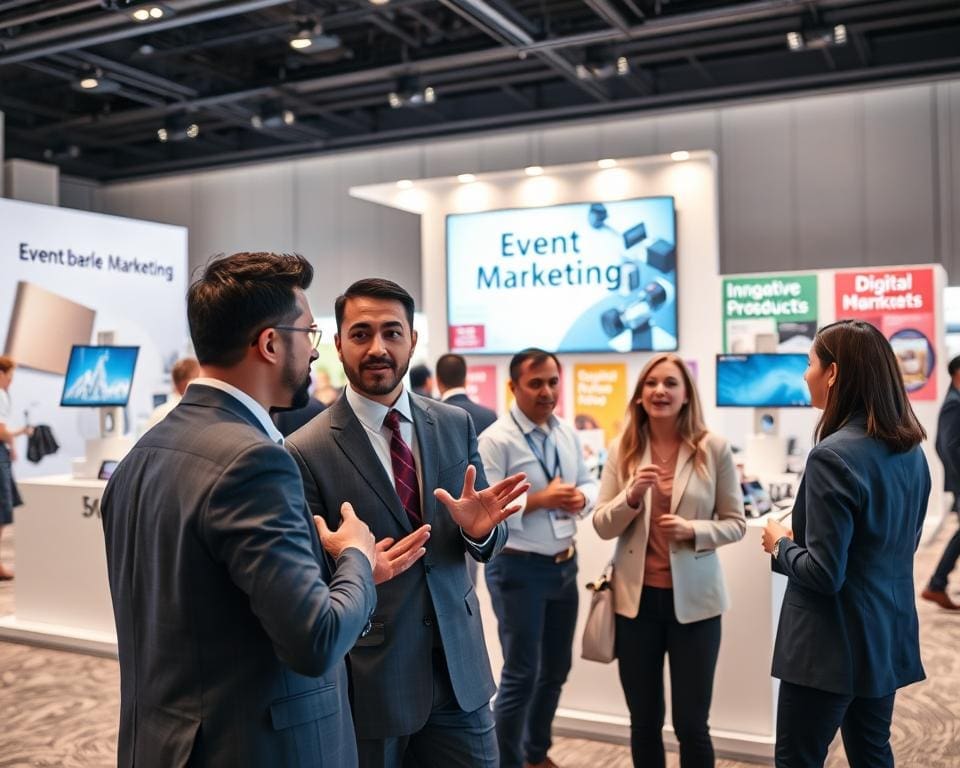
Event marketing enables brands to engage with their audience in a tangible, immersive way. Participants can interact with products directly, leading to enriched experiences that foster genuine personal connections. This live engagement cultivates trust and loyalty, key factors in enhancing the relationship building process. When consumers can see, touch, and experience a brand, it solidifies their connection far more effectively than through digital channels alone.
Enhancing Brand Visibility
Live events significantly enhance brand visibility by providing a unique opportunity for brands to showcase their offerings. Research shows that attendees retain brand messaging more effectively during in-person interactions. The event impact is profound, as participants leave with a vivid memory of their experience, making them more likely to recall and discuss the brand. Effective event marketing reinforces a brand’s presence in a crowded marketplace, ensuring it stands out and resonates with its audience.
Creating Memorable Experiences
Events have a unique ability to create memorable experiences that resonate deeply with attendees. The power of live engagement enhances connections, fostering emotional ties between consumers and brands. This interaction not only encourages immediate feedback but also strengthens long-term loyalty. Engaging audiences on a personal level leads to perceptions of authenticity and trust, both essential for building strong brand relationships.
The Impact of Live Engagement
Live engagement is crucial for the success of experiential marketing. Attendees are drawn to the energy and excitement of in-person events. This dynamic atmosphere allows brands to showcase their identities and values in real-time. As attendees participate, they are more likely to form lasting memories linked to the experience. Several studies indicate that brands that prioritise these interactions see increased customer loyalty and advocacy.
Utilising Technology to Enhance Events
The integration of technology in events transforms the traditional landscape. Tools such as augmented reality and mobile applications not only enhance attendee interaction but also create unforgettable moments. For instance, immersive experiences allow brands to narrate their stories in innovative ways. Live polls and social media integration deepen attendee participation, further boosting live engagement. Successful events illustrate how technology can captivate audiences and maintain their attention throughout the experience.
Targeted Audience Reach
In the competitive world of event marketing, understanding and reaching the right audience is essential. Effective audience targeting not only increases engagement but also enhances the overall impact of an event. Employing demographic analysis allows marketers to hone in on specific traits and preferences of their target groups, facilitating more successful outcomes.
Identifying the Right Demographic
Identifying the right demographic ensures that marketing efforts resonate with potential attendees. By analysing age, gender, location, and interests, organisations can tailor their messaging and offerings. This approach fosters a deeper connection, leading to increased attendance and participation, as individuals feel more inclined to engage with an event that speaks directly to them.
Leveraging Data for More Effective Strategies
Utilising data-driven strategies is crucial to achieving effective marketing results. Brands can leverage analytics to explore insights on customer behaviours and preferences. These insights inform not only the planning of the event but also the promotional tactics used to reach the intended audience. Successful campaigns, such as those launched by major brands, highlight how demographic research shapes their events, creating experiences that leave a lasting impression.
Measuring Success in Event Marketing
Understanding the metrics that reflect the effectiveness of event marketing is essential for brands aiming for growth and connection with their audience. Proper success measurement relies on various performance indicators that can unveil crucial insights. This involves gathering meaningful event feedback to evaluate attendee satisfaction and engagement levels.
Key Performance Indicators to Consider
Successful event marketing hinges on identifying the right performance indicators. These metrics help marketers assess the overall impact and effectiveness of their campaigns. Some key indicators include:
- Attendee attendance rates: Tracking who shows up versus who registered provides insight into the event’s appeal.
- Engagement levels: Monitoring participant interactions during the event, such as questions asked or participation in activities, can indicate how well the event resonates with the audience.
- Feedback surveys: Distributing event feedback forms allows for the collection of direct thoughts from attendees, highlighting areas of success and those needing improvement.
- Conversion metrics: Evaluating how many attendees became leads or customers following the event offers insight into its effectiveness in driving business goals.
Adapting Strategies Based on Feedback
Once the performance indicators have been established and event feedback gathered, the next step involves marketing adaptation. Brands can apply insights from their analysis to enhance future events. For instance, if attendees express dissatisfaction with certain aspects, businesses can focus on rectifying those issues in subsequent events. This iterative approach fosters continuous improvement.
Brands such as Nike and Apple have shown that adapting event strategies based on feedback leads to elevated engagement and brand loyalty. By closely measuring success and remaining responsive to feedback, marketers can refine their strategies to resonate more effectively with their target audience.
Integrating Digital and Physical Strategies
In today’s fast-paced marketing environment, the necessity for a cohesive marketing approach that combines both digital and physical strategies has never been more evident. Brands are increasingly recognising that an integrated approach not only enhances consumer engagement but also amplifies overall marketing efforts. The synergy created by blending hybrid marketing initiatives allows businesses to connect with their audience more effectively, merging the strengths of both realms.
Utilising digital integration can transform the way consumers interact with a brand. For instance, event marketing strategies that include engaging social media campaigns can drive traffic to physical events, creating a buzz that resonates both online and offline. Companies such as Red Bull exemplify this by successfully merging live events with robust digital content, allowing for broader outreach and brand consistency across various platforms.
Implementing effective physical strategies alongside a digital framework cultivates a seamless user journey. Embracing best practices, such as leveraging QR codes for easy information access or live streaming events, can enhance the experience for attendees both in-person and virtually. By adopting innovative solutions, brands can foster lasting connections with consumers, ultimately driving loyalty and elevating brand visibility in an increasingly competitive marketplace.