
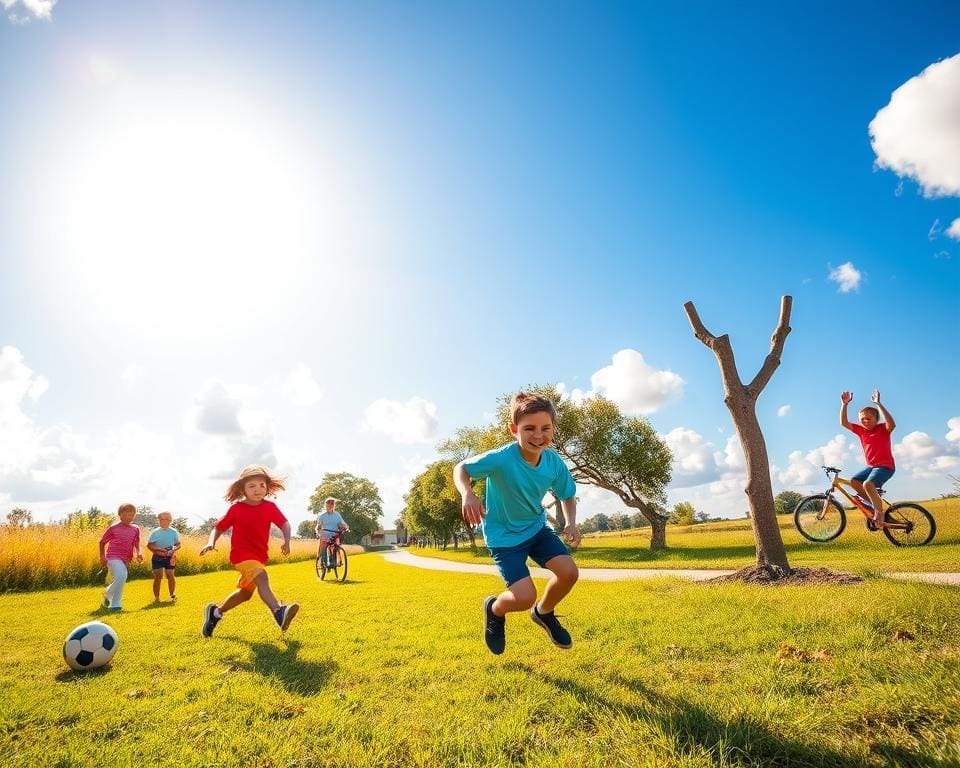
Outdoor play is vital for enhancing physical health, particularly in children. Engaging in nature activities encourages movement and exploration, leading to numerous outdoor play benefits that extend beyond mere fitness. Research suggests that children who participate in outdoor play exhibit improved physical health indicators and lower risk of chronic illnesses. Moreover, time spent outside fosters social interaction, which is essential for children’s health and well-being. As individuals of all ages connect with nature, the positive effects on their overall health become evident, reinforcing the importance of integrating play benefits into daily routines.
The Importance of Outdoor Play for Children
Children’s outdoor play holds a significant place in promoting both physical and mental development. Engaging in outdoor activities fosters various aspects of their growth while ensuring they remain active and healthy. Integrating outdoor playtime into daily routines offers numerous benefits that are essential for children.
Encouraging Physical Activity
Outdoor play serves as a natural avenue to promote physical activity among children. Activities like running, jumping, and playing games provide an exciting way for them to reach the recommended 60 minutes of moderate to vigorous physical activity daily, as outlined by the World Health Organisation. This time outdoors not only helps maintain a healthy weight but also strengthens their cardiovascular health and enhances overall fitness.
Developing Motor Skills
In addition to physical activity, children’s outdoor play significantly contributes to motor skill development. Engaging in activities such as climbing, throwing, and balancing aids children in refining their coordination and agility. These skills are vital as they enhance confidence and enable children to participate in various sports and recreational activities. Developing strong motor skills early on benefits children throughout their lives, from sports participation to everyday physical tasks.
How does playing outside benefit physical health?
Engaging in outdoor activities provides numerous advantages for physical health, particularly in strengthening the immune system and reducing the likelihood of obesity. These benefits contribute significantly to overall well-being.
Strengthening the Immune System
Spending time outdoors exposes individuals to a variety of bacteria and microorganisms, which plays a crucial role in enhancing immune system health. This exposure helps to fortify the body’s natural defence mechanisms. Children, in particular, benefit from such interactions as their immune systems are still developing, and outdoor play can lead to stronger immunity in later life.
Reducing the Risk of Obesity
Regular outdoor play is essential for combating obesity through encouraging active lifestyles. Research indicates that children who enjoy outdoor play are significantly less likely to suffer from obesity, aligning with the principles of obesity prevention. This active lifestyle not only promotes fitness but also supports healthy body composition. Various studies assert that increased participation in outdoor activities directly correlates with lower body fat levels, showcasing the outdoor benefits for maintaining a healthy weight.
The Psychological Benefits of Outdoor Play
Outdoor play presents a wealth of psychological benefits that can significantly enhance well-being. Engaging with natural environments not only promotes mood improvement but also contributes to overall psychological health. The act of stepping outside and immersing oneself in nature can play a vital role in alleviating feelings of stress and anxiety.
Enhancing Mood and Reducing Anxiety
Numerous studies illustrate that time spent outdoors can lead to substantial mood improvement. The fresh air and natural surroundings create an atmosphere conducive to relaxation, which can help reduce anxiety. Children and adults alike benefit from the tranquillity and beauty of the outdoors. Experiencing nature often translates to a more positive outlook on life and a decrease in depressive feelings.
Boosting Creativity and Cognitive Function
In addition to enhancing mood, outdoor play fosters creative play opportunities that are crucial for cognitive development. Nature encourages imaginative thinking, critical problem-solving, and exploration. When children engage in outdoor activities, they unlock their potential to think creatively, which is essential for academic success and lifelong learning. This stimulation of the mind not only benefits psychological health but also nurtures skills valuable in everyday life.
The Role of Nature in Physical Health
Nature plays a significant role in promoting physical health, with its various elements contributing to overall well-being. Spending time outdoors not only helps in increasing physical activity but also facilitates essential health benefits through nature exposure. Two key aspects of this connection include the importance of sunlight and its effects on vitamin D health, as well as the enhancement of respiratory health that comes from the natural environment.
Exposure to Sunlight and Vitamin D
Regular exposure to sunlight is vital for the synthesis of vitamin D, a nutrient crucial for maintaining bone strength and supporting the immune system. The National Health Service (NHS) advises that individuals engage in outdoor activities to achieve adequate levels of vitamin D. Engaging in nature exposure during sunny days allows the body to utilise sunlight effectively, ensuring that the necessary vitamin D is produced.
Improving Respiratory Health
Interactions with nature significantly contribute to respiratory health. Research indicates that air quality tends to be better in natural environments, particularly green spaces. Fresh air, abundant in nature, can lead to enhanced lung function and a lower risk of respiratory complications. Regular visits to parks or nature reserves can provide the clean air needed for optimal respiratory performance, fitting seamlessly into a healthy lifestyle.
Outdoor Activities for All Ages
Outdoor activities offer an incredible opportunity for individuals of all ages to engage their minds and bodies while enjoying nature. For children, incorporating fun games boosts both physical exertion and social interaction. These playtime experiences often lead to cherished memories that last a lifetime. Adults can also reap significant health benefits through a variety of physical pursuits designed for fitness and enjoyment.
Fun Games for Kids
Children thrive on interactive play through games designed for outdoor environments. Popular activities include:
- Tag
- Hide and seek
- Nature scavenger hunts
These games for children not only keep them active but also foster creativity and teamwork among peers. Exploring the outdoors enhances their motor skills and instils a love for physical activity from an early age.
Engaging Activities for Adults
Adults can significantly benefit from embracing outdoor fitness options that combine fun with health. Activities such as:
- Hiking
- Cycling
- Outdoor yoga
Provide excellent means to improve physical health and relieve stress. Community events often host team sports or fitness classes, creating inclusive environments where everyone can enjoy the advantages of staying active. Such adult outdoor fitness opportunities promote health while building connections with others.
Creating Safe Outdoor Spaces
In order to promote safe outdoor play, the establishment of well-designed community parks and recreational areas is essential. These spaces serve as a vital resource for families, providing opportunities for children to engage in physical activities while ensuring their safety. With the right facilities in place, children can explore, interact, and enjoy the benefits that come from being active outdoors.
Community Parks and Recreational Areas
Community parks are integral to fostering a healthy lifestyle in neighbourhoods. They should feature a variety of amenities tailored for children and adults alike, including:
- Playgrounds with safe equipment
- Sports fields for team activities
- Nature trails for exploration
- Open grass areas for picnics and games
By prioritising safety and accessibility, these parks encourage families to engage in outdoor play, nurturing both physical and mental well-being.
Backyard Outdoor Play Ideas
Creating a safe and stimulating environment in backyards can significantly enhance backyard activities. Simple additions can transform a typical garden into an engaging play area. Consider implementing:
- Play equipment such as slides and swings
- Sensory gardens filled with various plants and textures
- Designated play zones, like sandpits or water features
These elements motivate children to spend more time outdoors, encouraging safe outdoor play while reinforcing community ties. Families who invest in nurturing outdoor spaces ultimately contribute to a healthier lifestyle for everyone.
Tips for Encouraging Outdoor Play
Encouraging outdoor play can foster not only physical health but also emotional well-being for families. One effective strategy is to schedule regular outdoor family outings, whether it’s a trip to a local park or a hike in the countryside. Making these excursions a part of your weekly routine can create anticipation and excitement among children, reinforcing the joy of outdoor fun and helping to create lasting memories.
Participating in community events can also provide excellent opportunities for outdoor engagement. Many local councils organise activities that promote physical fitness, such as sports days or nature walks. By getting involved in these events, families can experience engaging outdoor activities together, while also strengthening community bonds.
Another crucial aspect of encouraging outdoor play is limiting screen time. By setting boundaries on the use of electronic devices, children may be more inclined to explore the natural world around them. Involve them in planning outdoor adventures, tapping into their creativity to generate excitement. Remember, highlighting the numerous health benefits—such as enhanced mood, improved fitness, and increased social connections—can inspire a lifestyle prioritising outdoor play, setting a positive example for future generations.