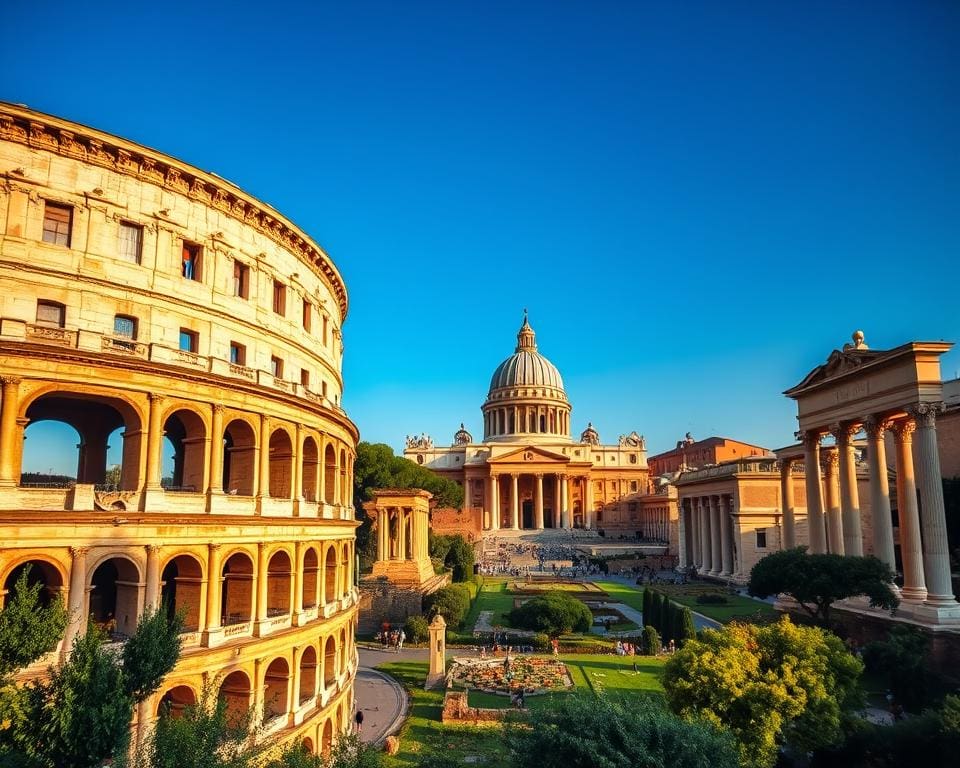

Rome stands as an eternal beacon for history lovers, enchanting visitors with its unparalleled legacy and vibrant past. As a must-visit city, it boasts an astonishing array of ancient history, from the monumental Colosseum to the majestic Forum Romanum, all of which underscore its status as a cradle of Western civilisation. Each cobblestone street and ornate building narrates tales of epochs gone by, inviting exploration and reflection. With historical attractions that pique curiosity and fuel the imagination, a journey through Rome promises an immersive experience that deeply enriches one’s understanding of our shared human heritage.
The Rich Historical Tapestry of Rome
Rome stands as a testament to the intricate historical tapestry woven by various ancient civilisations. From the early Etruscans to the might of the Romans, each culture has left an indelible mark on the city’s identity. Their contributions have shaped governance, law, and philosophy, creating a legacy that continues to resonate today.
Ancient Civilisations and Their Influence
The influence of ancient civilisations in Rome can be seen in many facets of life and governance. The Etruscans, for instance, laid the foundational stones for what would become Roman architecture. Their innovations allowed subsequent civilisations to build upon their achievements, creating a rich mosaic of cultural heritage. As the Romans rose to prominence, they adopted and adapted elements from these earlier cultures, which formed the bedrock of their own societal structures.
Architectural Marvels Across Centuries
Throughout the ages, Rome has been a canvas for architectural marvels that reflect changing styles and philosophies. The Pantheon, with its awe-inspiring dome, epitomises the grandeur of Roman architecture. This engineering feat not only showcases the mastery of design and technology but also serves as a historical record illustrating the values and ambitions of its creators. Similarly, Baroque churches and palazzos reveal the evolution of artistry and devotion, enriching the cultural landscape and inviting visitors to step back into history.
What makes Rome a must-visit city for history lovers?
Rome is adorned with landmarks that seamlessly weave together the stories of past civilisations, making every visit a journey through time. Each structure unfolds a chapter of human history, prompting exploration and reflection. These iconic sites not only display architectural grandeur but also resonate with deep spiritual significance and intricate political history.
Landmarks That Tell Stories
Key landmarks in Rome act as repositories for historical narratives. The Roman Forum stands as a testament to the vibrant life of ancient Rome, serving as the hub for political discourse and social activities. Walking through its ruins offers insight into the everyday lives and monumental decisions of the citizens. Trajan’s Column, with its intricate reliefs, narrates the story of Emperor Trajan’s victories and immortalises the valour of Roman soldiers, reflecting the empire’s ambitions.
Spiritual and Political Significance Through Time
Vatican City exemplifies the intersection of spiritual significance and political history. As the epicentre of the Catholic Church, it influences millions of followers worldwide. The Vatican’s art and architecture not only showcase religious devotion but also highlight its role as a formidable power in shaping political landscapes across Europe. Each visit invites one to contemplate the profound impact that faith and governance have had on human society.
The Colosseum: An Icon of Roman History
The Colosseum stands as a testament to the grandeur of ancient Rome, showcasing remarkable Roman engineering and design innovation. This colossal monument, completed in AD 80, served not only as a venue for spectacles but also as a powerful symbol of the Empire’s might and ambition. Its impressive capacity to accommodate thousands of spectators reflects the deep cultural values concerning entertainment and civic pride in Roman society.
Engineering Feats and Design Innovation
The architectural prowess of the Colosseum illustrates advanced techniques in Roman engineering. It is renowned for its innovative use of arches and concrete, which allowed for the construction of this grand structure. Key features include:
- The elliptical shape, which optimised sightlines for audiences.
- Numerous entrances facilitating efficient crowd management.
- Complex underground chambers designed for staging elaborate performances.
As one of the largest ancient amphitheatres ever built, the Colosseum not only served as an unrivalled entertainment hub but also played a pivotal role in the social and political landscape of its time. Its enduring legacy continues to captivate visitors, evidencing the extraordinary achievements of Roman civilisation.
Exploring the Vatican: A Historical Sanctuary
The Vatican stands as a remarkable historical sanctuary, offering visitors an unparalleled glimpse into the heart of both religious devotion and artistic achievement. As one explores this sacred space, the brilliance of St. Peter’s Basilica becomes immediately apparent. This architectural masterpiece, renowned worldwide, showcases the ingenuity of its creators and the depth of its artistry.
The Art and Architecture of St. Peter’s Basilica
St. Peter’s Basilica is an iconic symbol of the Vatican, merging exquisite art with grand architectural design. The interior houses Michelangelo’s Pietà, a stunning sculpture that captures human emotion with unparalleled sensitivity. Equally captivating is the dome crafted by Bramante, which dominates the skyline, inviting reflection on its beauty and significance. Every corner of this sacred space tells a story, from intricate mosaics to the lavish altars, each piece contributing to the rich tapestry of Christian art.
Vatican Museums: A Journey Through Time
The Vatican Museums offer an extraordinary journey through time, housing an extensive collection of art and historical artefacts that span centuries. Visitors can marvel at the evolution of Christian art, from early religious icons to the Renaissance era’s masterpieces. The halls teem with rich narratives, showcasing the profound influence of the Catholic Church on global art movements. Each exhibit invites contemplation, making the Vatican Museums an essential stop for those seeking to appreciate the depth of artistic and historical legacy.
Cultural Experiences That Enrich Historical Understanding
Rome is not just a city of ancient ruins; it is a living tapestry of cultural experiences that deepen one’s historical understanding. Engaging in guided tours of iconic sites like the Palatine Hill or the Roman Forum provides insights that textual research alone cannot match. These immersive experiences allow visitors to walk in the footsteps of emperors and explore the layers of history that have shaped this magnificent city.
The culinary history of Rome also offers a delicious avenue to connect with its past. Traditional dishes like carbonara and cacio e pepe are more than just meals; they reflect centuries of Roman traditions and regional ingredients. Participating in cooking classes or food tours enables visitors to experience the vibrant flavours that tell stories of the city’s evolution over generations.
Moreover, attending local festivals or historical reenactments provides an engaging way to witness the customs that have been preserved through time. Events such as the colourful Roman Carnival present an opportunity to celebrate the city’s rich heritage while connecting with locals who are passionate about sharing their customs. These cultural experiences invite visitors not only to observe but to participate, fostering a genuine appreciation for Rome’s diverse history.