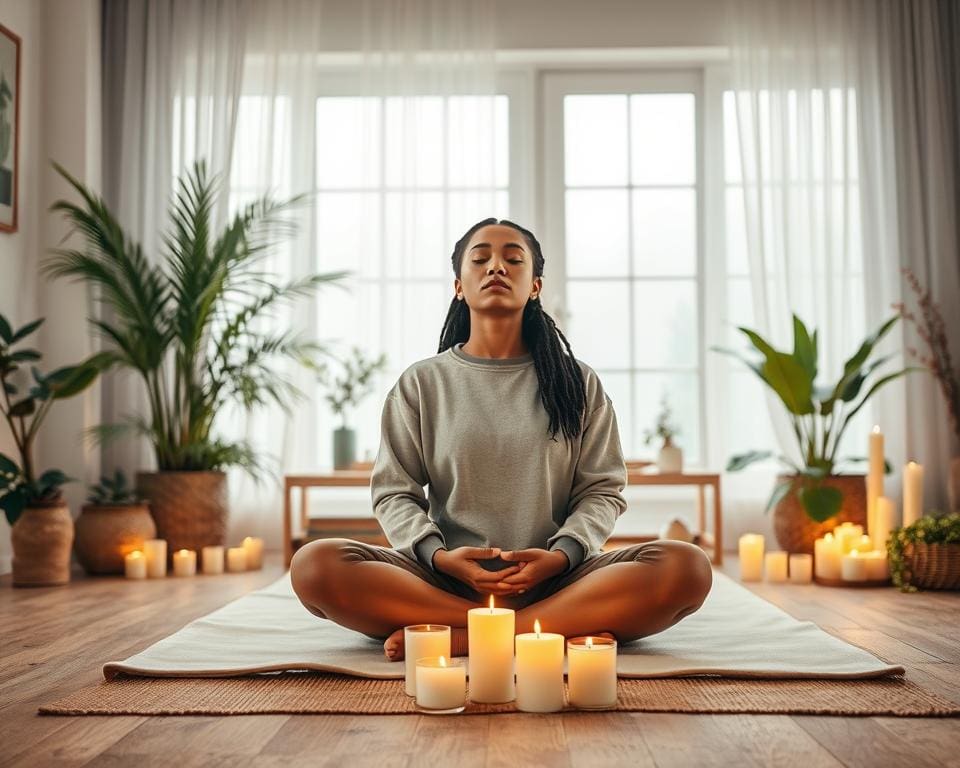

Emotional balance is an essential aspect of mental well-being, allowing individuals to navigate life’s ups and downs with grace and poise. In our fast-paced world, achieving emotional stability can often feel overwhelming, making mindfulness practices like meditation increasingly vital. Scientific studies, including those by the American Psychological Association, show that regular meditation can significantly reduce anxiety, depression, and emotional distress, paving the way for a transformative journey towards improved emotional balance. By fostering a deeper sense of inner peace, meditation not only enhances mental clarity but also equips us with the tools needed to respond positively to life’s challenges.
The Science Behind Meditation and Emotional Well-being
The science of meditation reveals profound insights into how this practice influences emotional well-being and mental health. Engaging in meditation fosters an understanding of emotional balance by allowing individuals to explore their emotional responses and cultivate greater mental clarity.
Understanding Emotional Balance
Emotional balance involves recognising and managing the fluctuations of feelings while maintaining stability. Meditation aids this process by encouraging self-awareness and introspection. As practitioners deepen their understanding of their emotions, they develop tools to navigate through life’s challenges with a calmer approach.
How Meditation Affects Brain Chemistry
The impact of meditation on brain chemistry plays a pivotal role in promoting emotional well-being. Regular practice can lead to structural changes in the brain, particularly enhancing the prefrontal cortex associated with emotional regulation and decision-making. Insights from neuroscience studies underscore how meditation can elevate the levels of neurotransmitters like serotonin and dopamine, which contribute to an improved mood and emotional balance. Such alterations in brain function support a healthier mental state, making meditation a valuable ally in the pursuit of emotional stability.
How can meditation improve emotional balance?
Meditation serves as a powerful tool for achieving emotional balance, particularly through the practice of mindfulness. This approach encourages individuals to develop an acute awareness of their thoughts and feelings without placing any judgement on them. By fostering acceptance of one’s emotional state, mindfulness contributes significantly to emotional regulation, making it easier to navigate the complexities of day-to-day life.
The Role of Mindfulness in Emotional Regulation
Practising mindfulness enhances emotional regulation by equipping individuals with the skills needed to respond thoughtfully to various stressors. This measured approach diminishes impulsive reactions, allowing for a more considered response to challenging situations. The meditation benefits extend to improving mental clarity, as individuals become more attuned to their emotional landscape.
Numerous studies highlight the role mindfulness plays in reducing rumination— a common barrier to emotional equilibrium. With increased awareness and acceptance, individuals can achieve a greater understanding of their emotions. This development paves the way for a more stable emotional balance, enabling individuals to face life’s challenges with resilience and poise.
Different Types of Meditation Practices
Exploring the diverse types of meditation offers valuable insights into enhancing emotional balance. Practitioners can choose from a variety of methods, each designed to foster well-being and promote personal growth. Among these methods, guided meditation and mindfulness practices stand out, catering to individuals seeking emotional healing and stability.
Guided Meditation for Emotional Healing
Guided meditation serves as a powerful tool for those embarking on a journey of emotional healing. This technique involves a facilitator leading the session, providing instructions that help participants navigate their internal landscape. Themes often include self-discovery and releasing past trauma, allowing individuals to cultivate a sense of peace and acceptance. Through the soothing narratives of guided meditation, practitioners can connect with their emotions in a safe, nurturing environment.
Mindfulness Meditation to Foster Balance
Mindfulness meditation emphasises the importance of present-moment awareness. Participants learn to observe their thoughts without judgement, creating space for self-acceptance and understanding. This practice encourages individuals to acknowledge their feelings, fostering an emotional landscape where balance can thrive. By integrating mindfulness practices into daily life, individuals can develop resilience against stressors, leading to a more harmonised emotional state.
The Benefits of Regular Meditation Practice
The transformative power of meditation extends beyond mere relaxation. Engaging in regular meditation fosters numerous benefits that enhance the quality of life. Two significant advantages stand out: stress reduction and improved emotional resilience. As individuals integrate meditation into their daily routines, they often experience a profound shift in their mental health and overall well-being.
Stress Reduction and Emotional Stability
Meditation serves as an effective tool for achieving stress reduction. Regular practitioners notice a decrease in cortisol levels, which directly impacts anxiety and stress responses. This calming effect not only promotes emotional stability but also cultivates a more positive outlook on life. When stress levels diminish, individuals find it easier to manage daily challenges. The practice nurtures a sense of tranquillity, allowing for greater focus and clarity in decision-making.
Improved Resilience to Life’s Challenges
Beyond managing stress, meditation significantly contributes to building resilience. Those who dedicate time to meditation often find themselves better equipped to face life’s adversities. Enhanced resilience means individuals can recover more swiftly from setbacks and maintain a sense of balance amidst turbulent times. This strengthened capacity to adapt and thrive reinforces positive mental health, encouraging a more optimistic approach to challenges.
Creating a Sustainable Meditation Routine
Developing a meditation routine can transform your life, enhancing emotional balance and promoting mindfulness in daily life. Establishing a sustainable practice begins with setting realistic goals that are achievable and meaningful. Adopting small, manageable steps fosters a sense of accomplishment and encourages consistency.
Setting Realistic Goals for Practice
When embarking on your meditation journey, it is important to start with short sessions. To create a successful meditation routine, you might consider:
- Beginning with just five minutes each day.
- Gradually increasing your session duration as you become more comfortable.
- Focusing on the quality of your practice rather than the length.
Setting goals that are specific and time-bound will further enhance your dedication. Short-term goals can lead to long-term rewards as you witness the emotional benefits of daily meditation.
Incorporating Meditation into Daily Life
Integrating meditation into your daily life is crucial for maintaining a sustainable practice. Establishing a routine can be as simple as designating specific times for meditation, such as:
- In the morning to set a positive tone for the day.
- During lunch breaks for a refreshing pause.
- In the evening as a wind-down ritual before bed.
Using tools like meditation apps can guide beginners and provide structure to your meditation routine. Finding a method that fits seamlessly into your life makes meditation both enjoyable and a vital part of your day.
Testimonials: Real-life Experiences with Meditation
Numerous meditation testimonials illustrate the transformative impact of regular practice on emotional well-being. Individuals from diverse backgrounds share personal stories highlighting how meditation has enabled them to regain emotional balance in their lives. One participant recounted their struggle with anxiety, explaining that committing to a daily meditation routine has not only reduced their stress but also fostered a newfound resilience in coping with life’s challenges.
Another inspiring account comes from a young professional who found solace in mindfulness meditation after experiencing burnout. Their narrative describes how this practice has improved their mental health, allowing them to navigate demanding work environments with a clearer mind and a more centred disposition. These real-life experiences are a testament to the accessibility of meditation, demonstrating that anyone can benefit from its profound effects.
Engaging with such personal stories encourages others to explore meditation as a viable tool for emotional balance and mental health improvement. As these individuals reveal, the journey towards emotional stability is possible through consistent meditation practice, offering hope and inspiration for those seeking tranquillity amidst the chaos of everyday life.