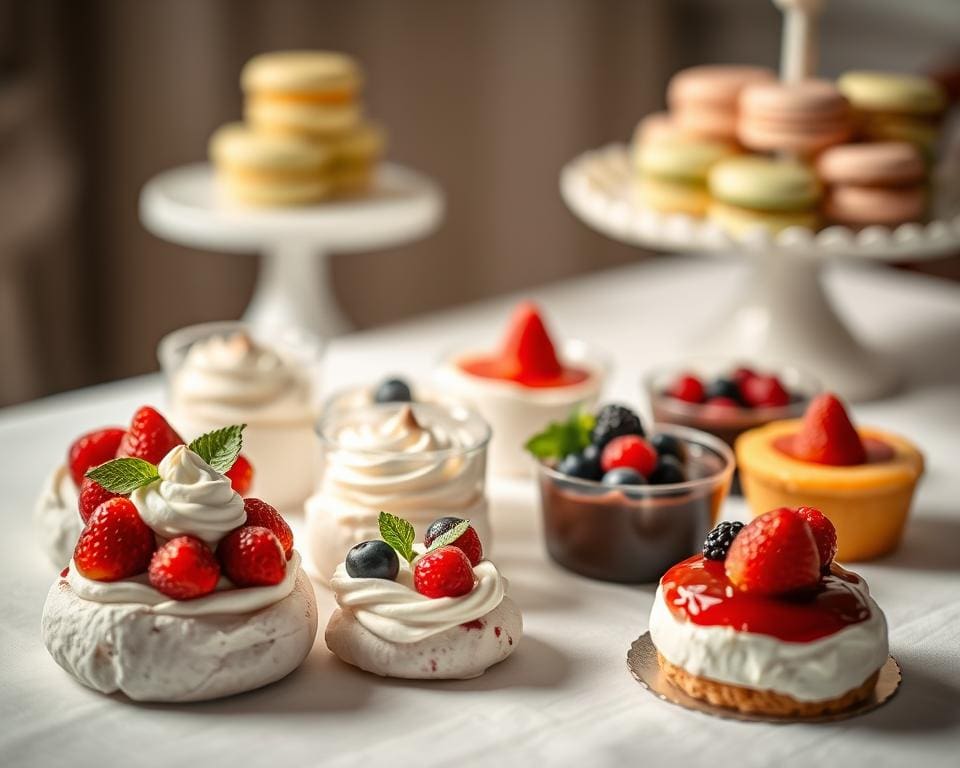

In the world of gastronomy, the pursuit of desserts that embody both indulgence and lightness has never been more pronounced. Many consumers are seeking indulgent desserts that deliver a luxurious experience while feeling notably light and refreshing. The crux of this desire lies in the concept of guilt-free treats, where dessert satisfaction is achieved without the weight of heaviness. Today’s dessert enthusiasts crave light indulgence that tantalises the palate yet evokes a sense of well-being. Through this exploration, we will uncover the essence of creating desserts that do not compromise on flavour or quality, inviting you to indulge in delightful creations that can both satisfy and uplift.
Understanding the Concept of Indulgence and Lightness
Creating a dessert that feels both indulgent and light involves a careful understanding of the harmony between flavour and texture. A delightful culinary experience often hinges on achieving the right flavour balance while incorporating a variety of dessert textures. Developing this balance may transform even the richest of flavours into a light, airy treat, allowing indulgence without heaviness.
Balancing Flavour and Texture
Rich chocolate or caramel can evoke a sense of luxury and indulgent flavours, yet when paired with lighter textures such as mousses, a new sensibility emerges. For instance, a chocolate mousse with a hint of zestful citrus can elevate the tasting experience, creating layers of complexity. This flavour balance enhances the sensation of indulgence while maintaining a refreshing finish.
The Psychology of Eating Desserts
Psychologically, the perception of lightness contributes significantly to the enjoyment of desserts. People tend to associate light textures with a less calorific experience, encouraging them to indulge without remorse. Bright flavours combined with light textures can stimulate a more pleasurable culinary experience, making each bite feel less burdensome, thus enhancing satisfaction.
What makes desserts feel indulgent yet light?
The choice of ingredients significantly influences how desserts are perceived in terms of indulgence and lightness. High-quality, fresh elements can transform a simple dessert into a delightful treat that satisfies cravings while maintaining a sense of lightness. When opting for health-conscious desserts, the selection of dessert ingredients serves as a foundation for achieving that delicate balance.
The Role of Ingredients
Utilising premium dessert ingredients, such as fresh fruits and Greek yoghurt, enhances both flavour and texture. These choices contribute to low-fat options that do not compromise on taste. Incorporating natural sweeteners like honey or maple syrup rather than refined sugars not only provides a lighter flavour but also supports a more wholesome approach to sweetness. Shifting towards lower-fat dairy products or nut-based creams can create a creamy mouthfeel while keeping the overall dish desirable and light.
Emphasising Natural Flavours
Emphasising natural flavours in desserts results in an exhilarating taste experience. Seasonal ingredients offer unmatched freshness, which intensifies the natural flavour enhancement crucial for indulgence without heaviness. By combining fruit purees, fresh herbs, and spices, chefs can elevate dishes in surprising ways. This approach aligns seamlessly with the philosophy of crafting health-conscious desserts that cater to modern dining preferences.
Techniques for Creating Light Yet Indulgent Desserts
Achieving a combination of indulgence and lightness in desserts requires expert application of specific culinary techniques. Mastering these approaches ensures a delightful experience, allowing airy desserts to shine through with a light texture while offering rich flavours. A close examination of the right methods, such as various whipping techniques, reveals the key to creating these delightful treats.
Using Whipping Methods for Airy Consistency
Whipping techniques play a fundamental role in producing desserts with an appealing airy texture. By vigorously incorporating air into egg whites or cream, cooks can create foams or mousses that elevate the overall lightness of the dish. The secret lies in achieving the correct peaks; soft peaks lend softness, while stiff peaks provide structure. Beyond just the basic whipping, techniques such as careful folding can preserve this airy consistency when combining ingredients.
Incorporating Fresh Fruits and Herbs
Fresh fruits and herbs introduce vibrant flavours and an additional lightness to desserts. Using these ingredients enhances not only the taste but also the visual appeal of the final creation. The natural sweetness of fruits, such as berries or citrus, marries beautifully with whipped components, keeping the dessert feeling refreshing and bright. Experimenting with herbs like mint or basil adds unexpected depths, inspiring culinary creativity in the pursuit of airy desserts.
Exploring Popular Dessert Examples
When it comes to indulging in desserts that are both satisfying and light, a variety of options showcase how to blend indulgence with healthful pleasure. Light puddings and innovative mousse recipes stand out as exemplary choices. These desserts not only tantalise the taste buds but also provide a sense of guilt-free enjoyment.
Light Puddings and Mousses
Light puddings like chia seed pudding have gained popularity for their ability to deliver comfort without the heaviness typical of traditional desserts. Using ingredients such as almond milk, these puddings create a luscious texture, making them ideal for those seeking healthier alternatives. Furthermore, mousses crafted from aquafaba or reduced-fat cream open the door to a world of light indulgence. These mousse recipes are airy and rich without sacrificing flavour, ensuring they remain in the category of popular light desserts.
Innovative Takes on Classic Treats
Classic treats can undergo delightful transformations while maintaining their status as beloved dessert examples. For instance, a chocolate mousse can be reimagined with healthier substitutes, allowing for a delectable experience that doesn’t compromise on taste. Pairing these creations with fruit coulis or refreshing sauces provides versatility, enhancing the overall dessert experience. Such innovations add a modern twist to traditional desserts, ensuring they cater to a broad audience while remaining light and indulgent.
Tips for Making Your Own Light Indulgent Desserts
Creating your own light yet indulgent desserts at home is an exciting journey that invites creativity and experimentation. One of the key dessert tips is to explore a variety of natural sweeteners, such as honey or maple syrup, which can enhance flavour without adding unwanted heaviness. Look for products that are organic or sourced from ethical producers, as high-quality ingredients can make a significant difference in the taste of your creations.
When it comes to crafting light dessert recipes, remember that presentation is vital. A well-arranged dish not only elevates the appeal but also makes the dessert feel more indulgent, proving that we indeed eat with our eyes first. Invest a little time in garnishing with fresh herbs or seasonal fruits—these elements can transform an ordinary treat into a visual feast that captivates the audience.
Don’t hesitate to adjust traditional recipes to achieve that balance of lightness and indulgence. For example, replacing full-fat cream with Greek yoghurt can yield a creamy texture while significantly reducing calories. Pairing light desserts with complementary flavours, like a citrusy sorbet alongside a rich chocolate mousse, can also deliver a delightful contrast that impresses at any gathering. So, unleash your inner baker, and enjoy the process of creating indulgent treats at home that not only taste divine but are also a joy to behold.