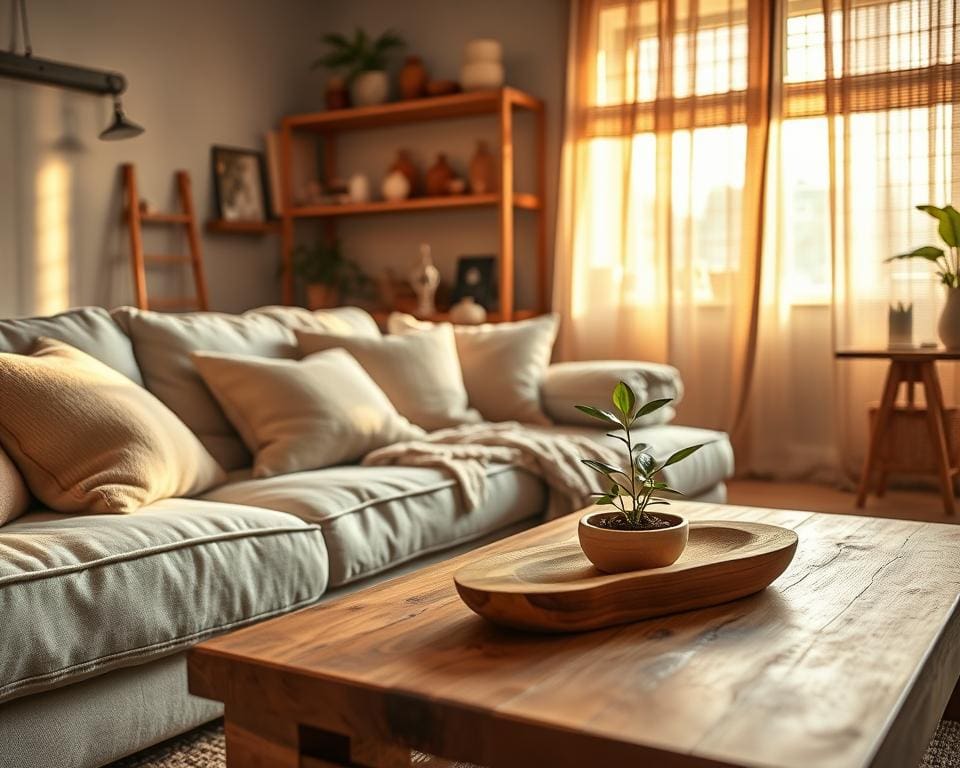

In an era where sustainability is paramount, embracing eco-friendly swaps not only transforms our living spaces but significantly enhances home comfort. With growing awareness around sustainable living, UK households are increasingly seeking green home improvements that benefit both their environment and well-being. Research indicates a rising consumer demand for eco-conscious products, suggesting that even the smallest changes can lead to remarkable improvements in both comfort and sustainability within the home.
Understanding Eco-Friendly Swaps for Your Home
Embracing eco-friendly swaps can transform your living space while fostering green living practices. These sustainable products serve as alternatives to traditional items, aiming to reduce environmental impact and support a healthier lifestyle. By incorporating various eco-friendly swaps, you can significantly enhance your home while contributing to the well-being of our planet.
Understanding these swaps involves recognising materials that are sourced responsibly, promoting reduced carbon footprints, and improving indoor air quality. For example, opting for furnishings made from certified wood, such as those marked with the Forest Stewardship Council (FSC) label, ensures that your choices support sustainable forestry practices. Additionally, textiles bearing the Global Organic Textile Standard (GOTS) certification provide assurance that they meet stringent environmental and social criteria.
Implementing home improvement tips that focus on sustainability can lead to long-term benefits. Simple changes, like using non-toxic paints or compostable cleaning supplies, play a crucial role in eradicating harmful chemicals from your environment and promoting healthier living spaces. Ultimately, eco-friendly swaps offer an opportunity to align your home with a vision of sustainability while enriching your quality of life.
The Benefits of Living Sustainably
Embracing a sustainable lifestyle presents numerous benefits of sustainability that enhance both personal well-being and the planet’s health. Eco-conscious living fosters an environment where individuals can thrive while making choices that respect our natural resources. By opting for natural materials in home interiors, residents can experience significant health advantages, including improved indoor air quality. The reliance on synthetic products often leads to harmful emissions that compromise well-being. Research from the World Health Organisation highlights the importance of using natural alternatives to minimise these risks.
In addition to health benefits, living sustainably has a positive environmental impact. Each small change contributes to a larger movement of reducing one’s ecological footprint. For instance, integrating energy-efficient appliances can diminish electricity consumption, leading to remarkable cost savings on monthly bills. Data from the Energy Saving Trust indicates how households can reap substantial financial benefits through sustainable practices. Adopting eco-friendly habits not only supports the environment but enriches the quality of life, proving that a commitment to sustainability is indeed a wise investment.
What eco-friendly swaps improve home comfort?
Transforming your living space with eco-friendly swaps can significantly enhance home comfort while making a positive impact on the environment. By incorporating natural materials and smart home technology, homeowners can achieve improved air quality and energy efficiency.
Enhancing Air Quality with Natural Materials
Utilising natural materials in your home provides a range of benefits, particularly when it comes to air quality. Untreated wood, natural fibres, and low-VOC paints are excellent alternatives that help create a healthier indoor environment. Brands like Farrow & Ball offer eco-friendly paints that are not only beautiful but also contribute to better air quality. Furniture from IKEA crafted from sustainable wood enhances aesthetic appeal while supporting your goal to improve home comfort.
Reducing Energy Costs with Smart Technology
Smart home technology plays a pivotal role in modernising living spaces. Devices such as smart thermostats and energy-efficient appliances can drastically lower energy costs while providing personalised settings to enhance comfort. Brands like Nest and Philips Hue allow for control over your home environment at the touch of a button, making it easier to maintain optimal temperatures and lighting. Moreover, these technologies contribute to improved air quality by promoting energy-efficient practices, setting the foundation for a more sustainable home. For further insights into the benefits of simple home comforts, visit this helpful resource.
Eco-Friendly Lighting Solutions
Lighting plays a significant role in creating a welcoming atmosphere within your home. Opting for eco-friendly lighting solutions not only enhances comfort but also supports sustainable living. Exploring options such as LED bulbs and natural light solutions can lead to a more energy-efficient environment while lowering your energy bills.
Switching to LED Bulbs
Transitioning to LED bulbs is an impactful choice for those seeking energy-efficient lighting. These bulbs utilise significantly less energy compared to traditional incandescent bulbs, offering the same brightness while consuming a fraction of the electricity. Reports indicate that switching to LED bulbs can reduce energy consumption by up to 75%. This translates into lower electricity bills and a reduced carbon footprint, contributing positively to environmental conservation.
Utilising Natural Light
Incorporating natural light solutions into your living space can dramatically enhance comfort levels. Start by assessing the placement of windows; strategically positioning them can maximise daylight exposure. Using mirrors to reflect natural light also helps brighten dim areas, creating an uplifting and spacious feel. Emphasising natural light not only elevates your mood but also reduces reliance on artificial lighting, showcasing a commitment to eco-friendly practices.
Insulation Strategies for a Cozy Home
Creating a cosy home often starts with effective insulation strategies that enhance energy efficiency. By utilising sustainable insulation materials and focusing on home draught proofing, homeowners can significantly improve comfort while making environmentally responsible choices.
Using Sustainable Insulation Materials
Sustainable insulation materials, such as recycled denim, sheep’s wool, and cellulose, provide excellent thermal properties and contribute to a healthy living environment. These eco-friendly options not only reduce energy consumption but also offer an effective barrier against heat loss, ensuring your home remains warm during colder months.
Maintaining an Ideal Temperature with Draught Proofing
Home draught proofing is crucial for maintaining a consistent indoor temperature. Implementing solutions like weatherstripping around windows and installing door sweeps helps seal gaps that allow cold air to infiltrate. This not only enhances the comfort of your home but also leads to lower energy bills, making it one of the best cosy home solutions available.
Choosing Eco-Friendly Furniture
Creating a sustainable home environment begins with selecting the right furniture. Opting for sustainable furniture contributes greatly to your overall commitment to eco-friendly living. Focus on furniture made from responsibly harvested wood, showcasing a dedication to our forests and their ecosystems. Look for pieces that incorporate recycled materials, promoting a circular economy while reducing waste.
Brands like Made.com and The Habitat lead in the realm of eco-friendly furnishings, offering collections that align with sustainable practices. Their commitment to ethical sourcing and environmentally friendly production processes makes them stand out in the market.
Another great way to enhance your green home decor is by considering second-hand furniture options. Thrift shops and online marketplaces often house treasures that tell a story while minimising waste. By choosing pre-loved items, you give new life to quality pieces and reduce the demand for new manufacturing.
In summary, making informed choices in furniture selection can profoundly impact both your living space and the environment. Embrace sustainable furniture, prioritise eco-friendly furnishings, and embark on creating a home that reflects your deep appreciation for the planet.
Organic Textiles for Comfort
Choosing organic textiles for your home transforms not only the aesthetic but also the comfort of your living space. These sustainable fabrics such as organic cotton, hemp, and bamboo deliver a softness that conventional options simply cannot match. The absence of harmful chemicals in these materials significantly reduces the risk of skin irritations, making them suitable for sensitive individuals.
Brands like The White Company and John Lewis offer an impressive range of organic bedlinen and curtains, ensuring comfort without compromising your commitment to sustainability. When looking for these comfort materials, prioritising 100% organic content provides assurance regarding the purity and safety of the fabrics. This commitment to ethical production not only elevates your home environment but supports ecological sustainability.
Organic textiles contribute to better sleep quality, allowing for breathability and moisture regulation. Investing in these sustainable fabrics enhances your overall well-being. Consider exploring options for organic cotton bedding and sustainable fabrics that boost both comfort and health; discover this journey towards a more eco-friendly lifestyle at this link.
Water-Saving Appliances for Sustainability
Embracing eco-friendly technology has never been more essential, especially when it comes to water conservation in our homes. Water-saving appliances, such as low-flow showerheads and dual-flush toilets, significantly reduce water consumption without compromising performance. Installing these fixtures can lead to remarkable savings—an average household can save thousands of litres of water annually, highlighting their role in sustainable home practices.
Moreover, energy-efficient dishwashers also contribute to water conservation efforts, utilising advanced designs to ensure optimal washing with minimal water usage. Brands like Grohe and Aqualisa exemplify innovation in this field, offering products that blend modern technology with environmental responsibility. Transitioning to these water-saving appliances can enhance your home’s sustainability and reduce overall utility bills, making it a win-win for both the planet and your finances.
As you consider the importance of water conservation, take a moment to explore various options available to create a more sustainable home. For further insights on energy-efficient solutions that support eco-friendly technology, you can visit energy-saving solutions to discover how modern innovations can elevate your home’s sustainability. Adopting simple changes like these is a powerful step toward a greener future.