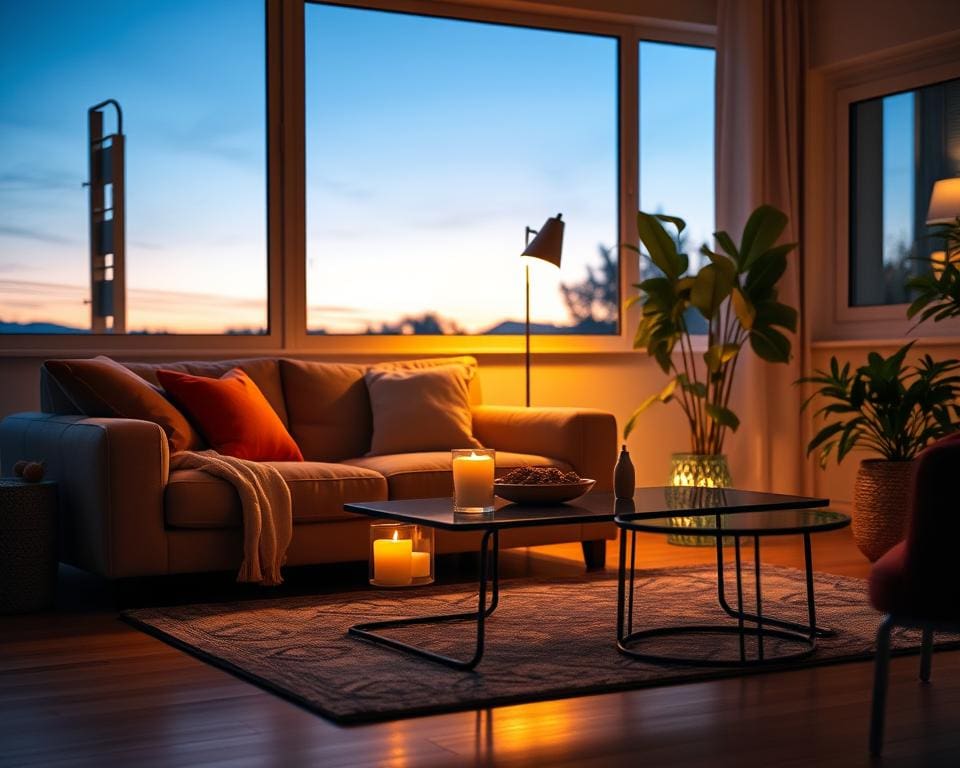

The right lighting can transform a living atmosphere into a haven of comfort and style. Thoughtful home design employs various types of illumination to enhance mood, enrich aesthetic appeal, and promote functionality. As we delve into the importance of lighting, it becomes clear that the choice of fixtures and their placement can significantly influence how we experience our spaces. Harnessing the power of light not only elevates our interiors but also fosters an environment where mood enhancement becomes a natural by-product. With insights from the Society of Light and Lighting and innovations from brands like Philips, we will explore how the art of lighting can create an inviting and transformative atmosphere in your home.
The Importance of Lighting in Home Design
Lighting plays a pivotal role in enhancing home design. It influences not only the functionality of spaces but also sets the mood throughout the home. Various light sources can create a serene ambience for relaxation or energise areas designated for work and socialising. Understanding the different functions of light and how they can be utilised creatively enriches any environment.
Setting the Mood with Different Light Sources
Light sources vary widely, from the natural glow of sunlight streaming through windows to the warm shimmer of a chandelier. Each option contributes uniquely to mood setting. For instance, floor lamps can create intimate corners ideal for reading, while recessed lighting often serves a more practical purpose in kitchens and workspaces. With thoughtful selection, homeowners can tailor their spaces to evoke desired feelings and promote well-being.
Functional vs Aesthetic Lighting
Illumination in home design serves two primary purposes: functional lighting and aesthetic lighting. Functional lighting focuses on practicality, ensuring visibility for tasks like cooking or studying. Fixtures such as under-cabinet lights and bathroom vanity lights fall into this category. Aesthetic lighting, in contrast, enhances visual appeal and adds character to the home. Statement pieces like designer pendant lights or artistic table lamps showcase the homeowner’s style. Balancing these elements results in a cohesive design that caters to both comfort and functionality.
How can lighting change your living atmosphere?
Lighting serves as a powerful tool in transforming the living atmosphere of any space. The interplay of natural light and artificial lighting creates a unique ambience that can significantly enhance the experience of a home. Understanding how these two forms of lighting work together allows homeowners to create a more inviting and comfortable environment.
Transformative Effects of Natural Light
Natural light has the ability to revolutionise a space, making it feel larger and more vibrant. The presence of sunlight introduces warmth, fostering positivity and well-being. It enhances colours and textures within a room, making every detail pop with brilliance. Incorporating large windows or strategically positioned mirrors contributes to a broader perception of space, creating an open and airy atmosphere that can uplift the spirit.
The Role of Artificial Lighting
While natural light plays a crucial role, the significance of artificial lighting cannot be understated, especially in areas lacking sufficient sunlight. Artificial lighting supplements natural sources during evening hours, ensuring a comfortable living atmosphere. By employing various types of artificial lighting, such as ambient, task, and accent lights, homeowners can create a layered effect that enriches space enhancement. Tailoring artificial lighting to fit specific activities or moods allows for versatile adaptability within the home.
Types of Lighting to Consider
Understanding the various types of lighting can significantly enhance any home’s atmosphere. Each style serves a unique purpose in lighting design, contributing to both the functionality and aesthetic of a space. Below are key categories to consider when planning your lighting scheme.
Ambient Lighting for General Illumination
Ambient lighting provides the foundation for a well-lit space. It creates a soft, overall glow that allows for comfortable navigation within a room. Common sources of ambient lighting include ceiling fixtures, recessed lights, and floor lamps. Brands like Lutron offer versatile solutions that help in achieving a warm and inviting environment. Incorporating ambient lighting can transform a dull area into a welcoming sanctuary.
Task Lighting for Specific Needs
Task lighting focuses on areas where specific activities take place, such as reading, cooking, or studying. This type of lighting is crucial for carrying out everyday tasks safely and efficiently. Options for task lighting include desk lamps, under-cabinet lights, and pendant lights positioned over work surfaces. By strategically placing task lighting, one can improve functionality without sacrificing style.
Accent Lighting for Highlighting Features
Accent lighting serves to draw attention to distinct features within your home, such as artwork, architectural elements, or beautiful plants. By using spotlights or track lighting, one can create focal points that elevate the overall decor. Brands renowned for decorative fixtures provide innovative solutions that enhance visual interest. This layer of lighting adds depth, transforming a space into a gallery of personal expression.
Colour Temperature and Its Effects
The colour temperature of lighting plays a crucial role in shaping the emotional impact of a space. Different spectrums can either evoke warmth and comfort or create a refreshing, energising atmosphere. Understanding the feelings associated with warm light and cool light helps in crafting environments that suit specific needs and activities.
Warm vs Cool Light and Feelings
Warm light, typically characterised by a yellowish hue, brings a sense of contentment and tranquillity. This type of illumination is perfect for living rooms and bedrooms where relaxation is paramount. Spaces adorned with warm light become inviting sanctuaries, enhancing social interactions and fostering a sense of community. On the other hand, cool light, which leans towards bluish tones, invigorates and enhances focus. This quality makes it ideal for workspaces and kitchens, where energy and creativity thrive. The emotional impact of the two types is substantial, influencing mood and daily productivity.
How Colour Temperature Affects Spaces
The way colour temperature affects space perception cannot be overstated. Warmer tones create an illusion of cosiness and intimacy, making areas feel more enclosed and welcoming. In contrast, cooler shades contribute to a perception of openness and clarity, which can help smaller spaces feel larger and more expansive. Using light strategically, from soft greys and gentle whites to energising yellows and blues, allows for a variety of atmospheres that can completely transform a room. To delve deeper into effective colour choices, consider exploring various options through resources available at this link.
Layering Lighting for Enhanced Atmosphere
Layering lighting plays a crucial role in achieving an enhanced atmosphere within your home. By combining different types of lighting, you can create a space that is both functional and inviting. This technique involves using ambient, task, and accent lighting to achieve the perfect balance and harmony, catering to various needs and activities.
Combining Different Types of Lighting
Utilising a thoughtful lighting combination invites creativity into your home design. Ambient lighting provides general illumination, establishing a warm base for your space. Task lighting, on the other hand, offers concentrated brightness for specific areas, such as reading nooks or workspaces. Finally, accent lighting draws attention to architectural features or artwork, adding character and depth to the room. This layering lighting approach ensures each zone of your home serves its purpose while contributing to a cohesive atmosphere.
Creating Balance and Harmony
Achieving balance and harmony with layered lighting requires attention to detail. Consider the height, intensity, and placement of each light source to create a well-rounded effect. Employ dimmer switches to adjust the brightness according to the mood, allowing for versatility in different scenarios. Some design experts suggest experimenting with light fixtures of various styles to enrich the visual experience. A thoughtfully crafted lighting combination can transform your living space into an extraordinary environment where comfort meets functionality.
Using Dimmer Switches for Versatile Ambiance
Creating a captivating atmosphere in your home becomes effortless with the installation of dimmer switches. These innovative devices allow for seamless adjustments to light levels, enhancing any occasion by transforming the mood. Whether hosting a lively dinner party or enjoying a quiet evening in, the ability to tailor lighting creates a versatile ambiance that caters to your needs.
Adapting Light Levels to Your Activities
Dimmer switches offer an unparalleled level of customisation when it comes to illuminating your space. With just a simple adjustment, you can shift from bright, stimulating light for engaging activities to softer, intimate light for relaxation. This flexibility enhances the overall experience, allowing you to set the perfect tone for any gathering or moment.
Energy Efficiency and Customisation
Utilising dimmer switches not only enriches the visual appeal of your space but significantly contributes to energy efficiency. Reducing light levels lowers electricity consumption, leading to both cost savings and a positive impact on the environment. Many brands, such as Lutron, advocate for energy-saving solutions, emphasising the combination of functionality and sustainability. Applying these techniques can transform your home into an inviting, eco-friendly environment. For more tips on creating the ideal lighting, visit this resource.
Decorative Lighting Solutions
Decorative lighting serves as a pivotal element in enhancing the visual appeal of any space. Statement fixtures act as centrepieces, providing not only illumination but also a captivating focal point in your room. The right choice of decorative lighting can transform an otherwise ordinary area into an exciting environment that reflects personal style.
Statement Fixtures as Centrepieces
Choosing statement fixtures allows for creativity to flourish in home decor. These unique designs capture attention, becoming integral to the overall aesthetic. Brands like Tom Dixon offer innovative lighting creations that can redefine the character of a room, making lighting an art form. Incorporating such pieces can evoke emotions and elevate the atmosphere, acting as conversation starters for guests.
Integrating Lighting with Home Decor
Successful integration of lighting with home decor involves matching fixtures to the thematic elements of a space. Consider the existing colour palette and materials used within the decor. From sleek modern lamps to vintage chandeliers, decorative lighting can harmonise with various stylistic themes. Strategic placement and selection ensure that lighting not only serves its functional purpose but also complements the beauty of the environment.
Smart Lighting Technology for Modern Homes
The advent of smart lighting technology is revolutionising living spaces in modern homes, offering unparalleled convenience and control at the fingertips of homeowners. With the integration of home automation systems, individuals can easily manage their lighting through smartphone applications or voice-activated devices, allowing for a seamless experience in everyday life. This innovative technology not only enhances the aesthetic appeal of your home but also streamlines energy management, promoting a more sustainable lifestyle.
Leading brands such as Philips Hue and Ring are at the forefront of this movement, providing a range of smart lighting products that fit effortlessly into the smart home ecosystem. These solutions enable users to customise lighting settings to suit different moods and activities, creating an atmosphere that can transform any room from a cosy sanctuary to a vibrant space for entertaining. The benefits extend beyond just ambiance; smart lighting plays a crucial role in energy efficiency by allowing users to monitor and adjust their usage, ultimately reducing their carbon footprint.
As modern homes continue to embrace the potential of home automation, the role of smart lighting is becoming increasingly significant. By incorporating connected lighting systems, homeowners not only enhance their living spaces but also contribute to a more energy-efficient future. The melding of technology and design offers an inspiring glimpse into the possibilities of intelligent living, making everyday life not just easier but more enriching.