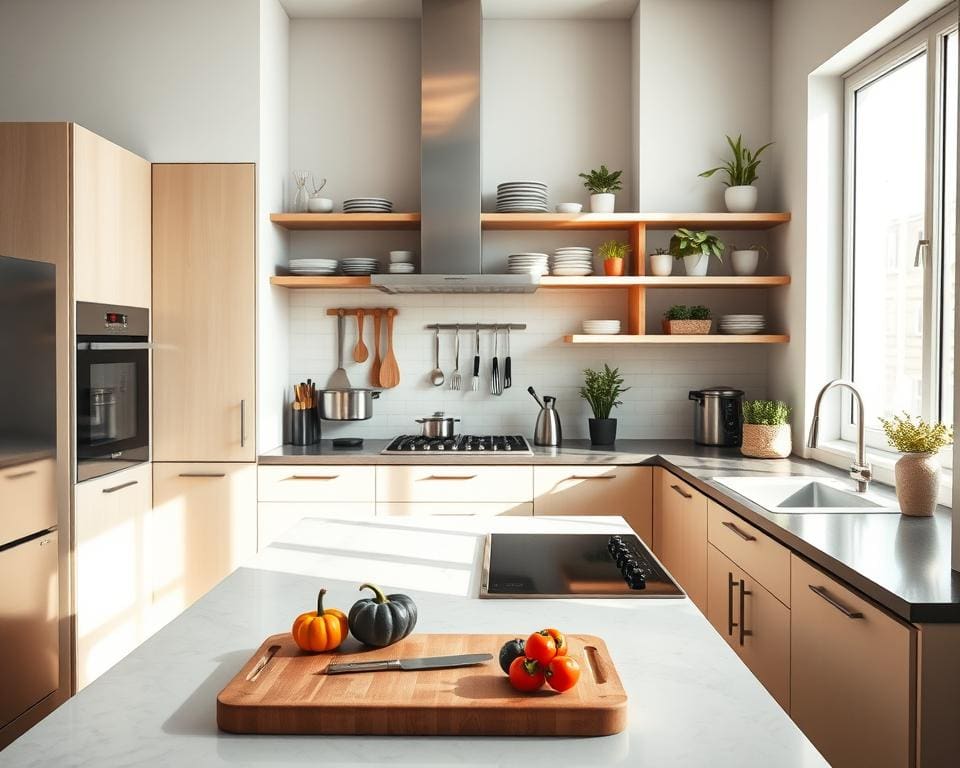

A functional kitchen design stands as the heart of any home, optimising kitchen efficiency and practicality while ensuring aesthetic appeal. A well-planned kitchen layout encompasses various elements that contribute to its functionality, from the strategic arrangement of appliances to the seamless workflow during daily meal preparations. By understanding these essential features, you can discover practical kitchen solutions that enhance both cooking and socialising experiences.
As we delve deeper into this topic, we will explore how integrating innovative designs fosters a harmonious environment. For those seeking inspiration, check out this guide on modern kitchen design ideas that can elevate your space.
Understanding the Principles of Functional Kitchen Design
Creating a truly functional kitchen requires a deep understanding of the principles of kitchen design. At the heart of this understanding lies the need for effective layout that streamlines interactions between appliances and work areas, enhancing overall kitchen functionality. The concept of the work triangle serves as a fundamental guideline, dictating the optimal positioning of the sink, stove, and refrigerator. Such positioning is crucial for promoting an efficient workflow during cooking and food preparation.
In addition to the work triangle, the application of design layout principles plays a significant role in maximising usability. Ample counter space is essential, allowing for convenient food preparation and placing ingredients within reach. Moreover, incorporating thoughtful storage solutions ensures that everything from utensils to pantry items is easily accessible while maintaining an uncluttered space. Accessibility cannot be overlooked either; a well-designed kitchen accommodates individuals of all abilities, creating an inviting atmosphere that encourages culinary creativity.
Maximising Space Efficiency in Your Kitchen
Creating a space-efficient kitchen is essential for optimising functionality and enhancing the overall cooking experience. With innovative design strategies, you can transform even the smallest of spaces into highly functional areas. Taking advantage of vertical storage solutions can help keep surfaces clear of clutter while ensuring that everything you need is easily accessible.
Utilising Vertical Storage Solutions
Vertical storage plays a crucial role in maximising space efficiency. By incorporating elements such as wall-mounted shelves and tall cabinets, you can effectively utilise your kitchen’s height. This approach not only frees up counter space but also adds an aesthetic appeal. Key benefits of vertical storage include:
- Enhanced accessibility to frequently used items
- Improved organisation, making it easier to find essentials
- Style options that suit any kitchen design
Incorporating hooks for pots and pans or magnetic strips for knives can further optimise storage while showcasing your kitchen essentials artistically.
Open Plan versus Closed Kitchen Designs
The choice between an open plan kitchen design and a closed kitchen design profoundly affects space efficiency. An open plan kitchen fosters a seamless flow between living and cooking areas, making it ideal for social gatherings and family interactions. In contrast, a closed kitchen provides a distinct separation, often resulting in a quieter cooking environment. Consider these factors when deciding:
- Space availability: Assess the overall layout to understand which design suits your home best.
- Lifestyle needs: Reflect on your daily routines and how you prefer to use the kitchen.
- Privacy considerations: Establish whether you prefer a private cooking setting or an inclusive social space.
Ultimately, both designs can be tailored to create a space-efficient kitchen, reflecting personal style and practical needs.
What makes a kitchen design truly functional?
Developing a functional kitchen design revolves around careful planning, and understanding key elements such as the kitchen work triangle is crucial. This concept focuses on the optimal layout that connects the sink, stove, and refrigerator, enabling seamless interaction while cooking. By minimising movement, this triangular configuration enhances efficiency in meal preparation and cooking tasks.
The Importance of the Work Triangle
Implementing the kitchen work triangle can drastically improve how a kitchen operates. A well-designed triangle reduces the unnecessary steps taken during food preparation, allowing more time for cooking and enjoyment. When considering renovation or a new design, establishing the ideal distances between these three main elements will serve as a foundation for kitchen space optimisation, ensuring it caters effectively to the user’s needs.
Incorporating Multi-Functional Furniture
Another integral aspect of a functional kitchen design includes the use of multi-functional furniture. Options such as kitchen islands provide not only a preparation area but also offer integrated storage and seating solutions. This versatility addresses varying needs within the kitchen while enhancing the overall flow of the space. A well-placed island can facilitate cooking and social interaction simultaneously, promoting connectivity among family members. To explore more innovative ideas for kitchen space optimisation, consider visiting this resource.
The Role of Lighting in Functional Kitchen Design
Effective kitchen lighting plays a pivotal role in creating a space that is both functional and inviting. Achieving a harmonious blend of natural lighting and artificial lighting enhances productivity while setting a welcoming mood. Striking the right balance in these elements can significantly elevate the functionality of your kitchen.
Natural versus Artificial Lighting
Natural lighting not only brightens a kitchen but also brings warmth and vitality to the environment. Large windows and optimally placed skylights provide ample daylight, which can enhance your culinary experience. Incorporating glass doors may also allow light to cascade into the space, making it feel more open and spacious.
While natural lighting holds undeniable benefits, artificial lighting remains essential, particularly during the less illuminated hours. Choosing appropriate fixtures like pendant lights or recessed lighting aids in maintaining visibility and safety while cooking or working. The combination of both types of lighting ensures a well-lit kitchen at all times, fostering cheerful energy.
Layered Lighting for Different Tasks
Implementing layered lighting techniques provides versatility in kitchen illumination. By integrating various types of lighting, like ambient, task, and accent lights, you can create a dynamic environment suited for numerous activities. Ambient lighting provides the general glow needed throughout the kitchen, while task lighting focuses directly on workspaces such as countertops and islands.
For a stylish touch, add accent lighting to highlight artwork or architectural features. This approach not only enhances the aesthetics but also emphasizes functionality. When designing your kitchen, consider the specific activities you undertake and plan the layered lighting accordingly. This will enable you to adapt your space for cooking, cleaning, and entertaining effortlessly.
Choosing the Right Appliances for a Functional Kitchen
Selecting appliances for your kitchen can greatly influence its functionality and efficiency. Focusing on energy-efficient appliances plays a pivotal role in reducing utility costs while benefitting the environment. With advancements in smart kitchen technology, everyday tasks can become more streamlined and enjoyable. This section will delve into the importance of energy efficiency and technology while considering appliance sizing to ensure that your selections fit perfectly within your kitchen layout.
Energy Efficiency and Smart Technology
Choosing energy-efficient appliances not only promotes a sustainable lifestyle but also reduces electricity bills. Modern functional kitchen appliances often come equipped with smart features that allow for better monitoring and control. For instance, refrigerators with built-in displays can alert you about expiration dates, while ovens with Wi-Fi connectivity permit remote adjustments. Investing in smart kitchen technology enhances convenience, making cooking and meal prep more enjoyable.
Size Matters: Selecting the Right Fit
Understanding appliance sizing is crucial when planning your kitchen design. Oversized appliances can create a cramped atmosphere, while too-small models may not meet your cooking needs. Before making decisions, measure the available space and consider the volume of food preparation you typically undertake. Opt for appliances that not only fit the dimensions of your kitchen but also cater to your culinary habits. By paying careful attention to size, functionality and aesthetics can coexist harmoniously.
Creating a Harmonious Aesthetic and Ergonomics
Striking a balance between kitchen aesthetics and ergonomic design enhances both the beauty and functionality of any cooking space. Thoughtfully chosen colour schemes can create a welcoming atmosphere, influencing how light and space are perceived within the room. An inviting kitchen supports creativity and encourages social interactions, aligning with the principles of functional kitchen decor.
Colour Schemes That Enhance Functionality
When selecting colour schemes, consider hues that not only look appealing but also contribute to an efficient environment. Soft, neutral tones can make a kitchen feel larger and brighter, while bold accents can bring life and vibrancy to the decor. Using colour strategically can help delineate different areas, promoting an organised workflow.
- Warm colours like yellows and oranges can stimulate energy, perfect for lively family interactions.
- Cool colours such as blues and greens promote calmness, ideal for a tranquil cooking atmosphere.
- Monochromatic palettes can create a sleek, modern look while remaining easy on the eyes.
- Contrasting colours can help define work areas, ensuring that everything remains easily accessible.
In addition to aesthetics, ergonomic design focuses on creating an efficient workspace tailored to individual needs. Elements such as counter height, cabinetry layout, and appliance placement all play a crucial role in how comfortably a kitchen can be used. This careful attention to both aesthetic appeal and functionality allows the space to serve its purpose efficiently while remaining visually striking.
Incorporating Sustainable Practices into Kitchen Design
In recent years, the shift towards sustainable kitchen design has become increasingly significant, reflecting a broader societal commitment to eco-friendly practices. By prioritising the use of sustainable materials, homeowners can create an inviting space that not only serves its functional purpose but also promotes environmental responsibility. Incorporating elements such as reclaimed wood and recyclable materials is a smart way to enhance kitchen sustainability while adding character and warmth.
Energy-efficient appliances play a vital role in any sustainable kitchen. Investing in modern technologies can significantly reduce energy consumption, contributing to a lower carbon footprint. When paired with water-saving fixtures, these appliances enhance the eco-friendliness of the space, encouraging mindful usage of resources. Incorporating practical solutions, like composting and recycling, allows for efficient waste management while making sustainability an integral part of daily routines.
Moreover, the integration of vertical storage solutions can optimise available space, making it functional without sacrificing environmental values. By organising essentials smartly and keeping clutter at bay, not only does the kitchen’s aesthetics improve, but it also fosters an atmosphere that encourages the adoption of sustainable practices. As such, embracing these elements in kitchen design not only aligns with contemporary values but also inspires users to lead an environmentally responsible lifestyle.