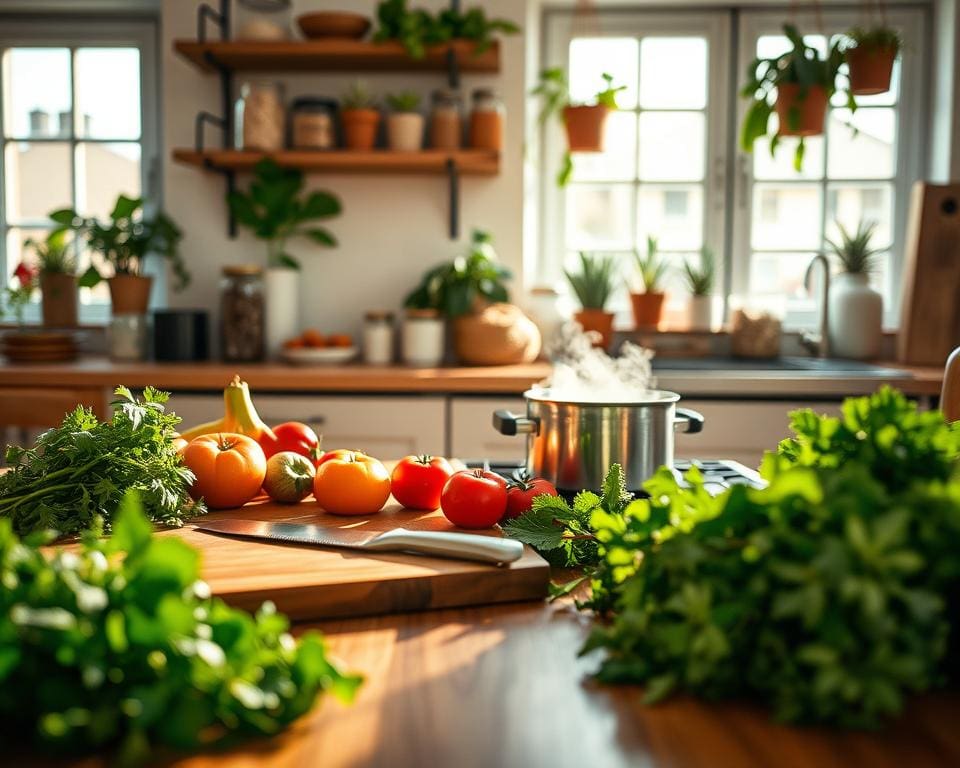

Home cooking has surged in popularity, particularly in the wake of the pandemic, as individuals seek healthier meals and cost-effective solutions. With a heightened focus on well-being, many have discovered the benefits of cooking at home, finding that homemade dishes often contain fewer calories, sugars, and unhealthy fats than those from restaurants. Embracing easy cooking allows for creative culinary exploration and the opportunity to prepare nutritious recipes that cater to personal tastes and dietary preferences.
As we delve further into this article, we’ll explore the myriad nutritional benefits, time-saving tips, and essential kitchen tools that enhance the cooking experience, making healthy home meals even more accessible and enjoyable.
The Nutritional Benefits of Home Cooking
Cooking at home opens the door to numerous nutritional benefits that often remain elusive in processed foods or meals from restaurants. By taking control of what goes into your dishes, you have the power to enhance both your health and your palate.
Control Over Ingredients
One of the primary advantages of home cooking lies in the ability to exercise ingredients control. This means you can select ingredients that suit your dietary preferences, whether those are gluten-free, vegan, or high-protein options. When cooking from scratch, you eliminate harmful additives and preservatives, which commonly lurk in store-bought meals. This deliberate choice allows for the inclusion of fresh ingredients, boosting the overall nutritional value of your meals.
Freshness and Quality
Utilising fresh ingredients enhances the taste and nutritional quality of home-cooked meals. Fresh vegetables, fruits, and quality proteins offer a wealth of vitamins, minerals, and antioxidants. Unlike packaged goods, which often lose their nutrients during processing and shipping, home-cooked meals retain their vibrant flavours and essential nutrients. The immediacy of using fresh products contributes to a more wholesome eating experience.
Reduced Processed Foods
Home cooking significantly helps to reduce processed foods in your diet. These foods are often high in unhealthy fats, sugars, and sodium. By choosing what you prepare at home, you can opt for healthier cooking methods and ingredients, resulting in delicious meals without the added preservatives found in many processed options. This shift not only enhances your health but also aligns with a lifestyle goal of mindful eating.
Time-Saving Tips for Effortless Cooking
Streamlining your cooking routine has never been easier. With a few practical strategies in place, you can embrace time-saving cooking that enhances both flavour and efficiency. Explore these techniques to maximise your kitchen potential.
Meal Prepping Techniques
Meal prepping is a powerful tool when it comes to time-saving cooking. By dedicating just a few hours each week, you can batch-cook ingredients and assemble meals that are ready to go. Consider the following:
- Choose a day for prep and stick to it.
- Prepare versatile ingredients, such as grains and roasted vegetables.
- Store meals in portioned containers for grab-and-go convenience.
Utilising One-Pot Recipes
One-pot recipes not only simplify the cooking process but also cut down on clean-up time. These dishes marry flavours seamlessly while requiring minimal effort. Look for recipes that include:
- Stir-fries that combine protein and vegetables.
- Soups or stews that can simmer all day.
- Pasta dishes cooked directly in the sauce for maximum flavour.
Efficiency in Kitchen Setup
Creating a workspace that promotes kitchen efficiency can drastically change your cooking experience. Here are some elements to consider implementing:
- Organise your tools and ingredients so they are easy to access.
- Keep frequently used utensils within reach to save time.
- Utilise labels for better visibility of stored items.
What makes cooking at home healthier and easier?
Cooking at home provides an opportunity to create dishes that meet individual tastes and requirements. The flexibility to customise meals allows individuals to cater to specific dietary needs, ensuring everyone in the household can enjoy delicious and nutritious food. This practice not only supports healthy cooking but also nurtures a sense of creativity in the kitchen.
Customising Meals to Suit Dietary Needs
The ability to tailor recipes is one of the most appealing aspects of home cooking. Whether adjusting for gluten-free options, accommodating vegan lifestyles, or embracing low-carb diets, personalisation enhances mealtime satisfaction. Here are some advantages of customising meals:
- Promotes health: Modifying ingredients helps meet individual dietary needs without compromising on taste.
- Encourages creativity: Experimenting with flavours and cooking techniques leads to a diverse range of enjoyable meals.
- Increases engagement: Involving family members in meal preparation fosters bonding and makes cooking a shared experience.
Essential Kitchen Tools for Healthy Cooking
Equipping your kitchen with the right tools makes a significant difference in your culinary journey. Having essential appliances and quality kitchenware not only enhances your efficiency but also supports your efforts in preparing healthier meals. Investing in reliable cooking utensils enables you to enjoy the process of cooking while ensuring that you maintain a nutritious diet.
Must-Have Appliances
In any kitchen, certain essential appliances stand out for their versatility and utility. A high-quality blender assists in whipping up smoothies, soups, and sauces, while a food processor saves time in chopping and mixing ingredients. An air fryer provides a healthier alternative to traditional frying, delivering crispy textures without excess oil. Consider including an Instant Pot for its multi-functional capabilities, allowing for quick cooking, steaming, and slow-cooking.
Investing in Quality Utensils
Quality kitchen utensils are fundamental for effective meal preparation. Investing in durable knives facilitates precise chopping, making the preparation of fresh ingredients a breeze. Measuring tools ensure that your recipes maintain the correct proportions, which is essential for achieving ideal flavours and textures. Non-stick pans are a staple for healthy cooking, minimising the need for added fats and oils. Consider opting for bamboo or silicone utensils that are gentle on cookware and safe for a variety of cooking methods.
Exploring Nutritious and Quick Recipes
Creating home-cooked meals doesn’t have to be time-consuming or complicated. With the right approach, you can whip up quick recipes that deliver flavour and nutrition without excessive effort. Embracing five-ingredient dishes and utilising easy snacks allows for variety and satisfaction even on the busiest of days.
Five-Ingredient Dishes
Five-ingredient dishes offer simplicity while still providing filling and nutritious meals. With just a handful of components, you can craft various delightful options. Consider these ideas:
- Pasta with cherry tomatoes, basil, garlic, olive oil, and parmesan.
- Chickpea salad made with canned chickpeas, diced cucumber, red onion, lemon juice, and feta cheese.
- Oven-roasted salmon paired with asparagus, garlic, lemon slices, and a drizzle of honey.
These quick recipes not only make the cooking process straightforward but also focus on health, ensuring you maintain a balanced diet.
Healthy Snacks for Busy Days
When life gets hectic, having easy snacks on hand can make all the difference. Quick and nutritious snacks can keep energy levels up and cravings in check. Consider the following:
- Greek yoghurt with honey and mixed berries.
- Sliced apple with almond butter.
- Vegetable sticks served with hummus.
These easy snacks are perfect for on-the-go individuals, providing essential nutrients without compromising taste or convenience.
The Psychological Benefits of Cooking at Home
Cooking at home offers a treasure trove of psychological benefits that enhance both mental wellbeing and interpersonal connections. Engaging in cooking mindfulness allows individuals to immerse themselves in the present moment, creating a therapeutic atmosphere in the kitchen. This practice not only provides a creative outlet but also fosters a sense of accomplishment as meals come together.
Mindfulness in the Kitchen
Cooking can serve as a form of meditation, requiring focus and attention to detail. As individuals chop, stir, and sauté, they find themselves embracing the sensory experiences associated with food preparation. This process promotes relaxation and reduces stress. The act of cooking helps in gaining clarity, providing a break from the chaos of daily life.
Enhancing Family Bonds Through Cooking
Family cooking together strengthens relationships by encouraging collaboration and communication. When families gather to prepare meals, they create opportunities for laughter and shared experiences. This bonding time during cooking can lead to cherished memories, further enhancing emotional connections. The psychological benefits extend beyond the kitchen, influencing family dynamics positively.
Cost-Effectiveness of Home Cooking
Cooking at home offers significant financial advantages that many may overlook. By preparing cost-effective meals from scratch, families can enjoy substantial cooking at home savings over time. Research indicates that households can save hundreds of pounds annually, especially when comparing the costs of dining out or purchasing pre-packaged meals. Embracing budget-friendly cooking not only cuts costs but also allows for healthier choices.
Additionally, home cooking encourages the use of seasonal and local ingredients, further enhancing both meal quality and cost-efficiency. By incorporating fresh produce from local markets, families can take advantage of lower prices while supporting their community. This practice not only contributes to a more sustainable food system but also promotes a deeper connection to the meals being prepared.
Ultimately, the financial impact of cooking at home extends beyond mere savings; it fosters a lifestyle that values health, quality, and sustainability. Investing time in the kitchen can lead to a wealth of benefits, making budget-friendly cooking an essential skill for those looking to enhance their well-being without compromising their finances.