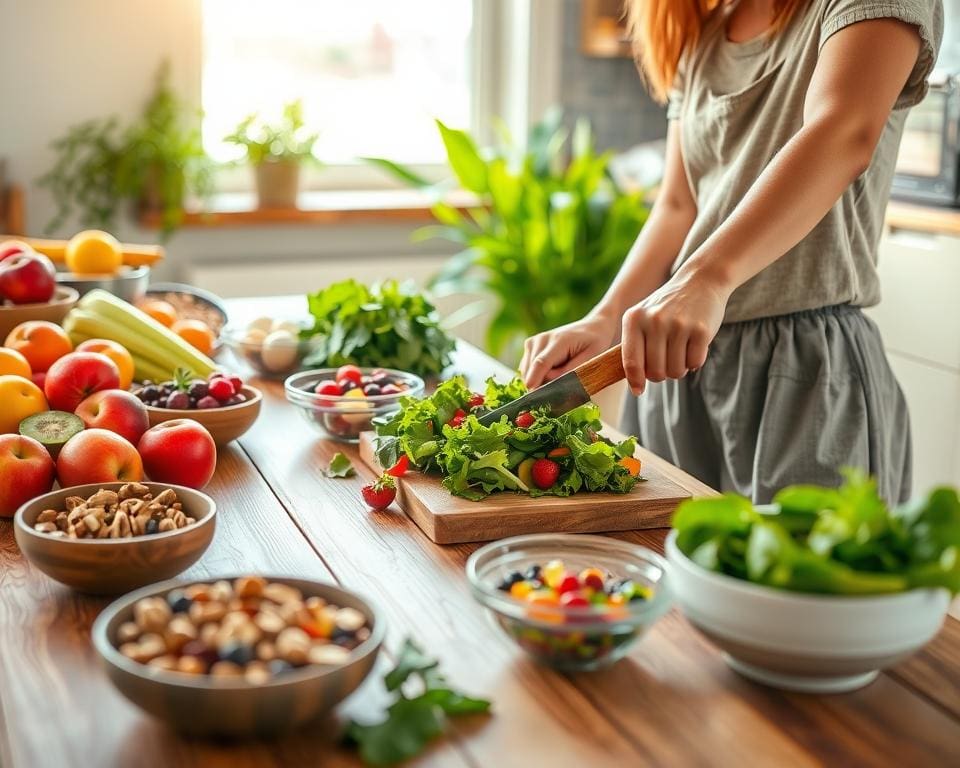

Food is more than just a basic necessity; it is a vital component of our overall wellbeing, intertwining physical, mental, and emotional health. Embracing culinary joy allows us to cultivate a positive relationship with food, paving the way for healthier eating habits. By engaging in mindful eating, we can appreciate the cultural significance and personal preferences that shape our dining experiences. Nourishment transcends physical nutrition, enriching our lives and enhancing our quality of life.
The Importance of Mindful Eating
Embracing mindful eating encourages individuals to cultivate a deeper awareness of their food choices and the act of eating itself. This practice involves recognising bodily cues and emotions linked to food consumption, ultimately fostering a healthier relationship with what we eat. By focusing on the present moment while eating, one can enhance the overall experience and appreciate food in a more meaningful way.
Understanding Mindfulness in Food Consumption
Mindfulness in food consists of being fully attentive to the flavours, textures, and aromas of meals. It promotes a state of consciousness that allows individuals to savour each bite, rather than hastily consuming food. This approach not only enhances the enjoyment of eating but also supports conscious eating habits. People can learn to pay attention to their hunger and satiety signals, ensuring they nourish their bodies appropriately without the distractions of technology or other stimuli.
Benefits of Mindful Eating for Mental Health
Engaging in mindful eating offers numerous mental health benefits. Research highlights that practising mindfulness can result in reduced anxiety and improved emotional regulation. Individuals who adopt this approach often experience better digestion and a greater appreciation for the foods they consume. As studies from institutions such as Harvard Medical School suggest, individuals who are more mindful tend to make healthier food choices, leading to reduced emotional eating and a more balanced relationship with food.
How do you enjoy food in a way that supports wellbeing?
Food enjoyment goes beyond mere consumption; it encompasses the choices we make that positively affect our wellbeing. By exploring nutritional choices and creating a positive eating environment, anyone can foster a more healthful eating experience that brings joy and benefits to life.
Exploring Nutritional Choices
Focusing on nutritional choices is essential for maintaining overall health. Incorporating a variety of whole foods such as vibrant fruits, fresh vegetables, wholesome grains, and lean proteins plays a crucial role in enhancing wellbeing. These foods are not only packed with essential nutrients but also contribute to greater food enjoyment. Emphasising variety can keep meals exciting and contribute to a balanced diet.
Creating a Positive Eating Environment
A positive eating environment significantly enhances the dining experience. By minimising distractions during meals and fostering social connections, one can make mealtimes more enjoyable. Establishing rituals, such as sharing meals with family or friends, reinforces the communal aspect of food, promoting a nourishing atmosphere. This environment encourages healthful eating behaviours, making it easier to appreciate and savour each bite.
Incorporating Seasonal and Local Ingredients
Embracing seasonal ingredients and local food enhances not only taste but promotes overall wellbeing. Fresh produce, harvested at the peak of its ripeness, brims with nutrients that contribute significantly to a balanced diet. This approach fosters a deeper connection to the food we consume, creating a more fulfilling eating experience.
The Role of Fresh Produce in Wellbeing
Seasonal ingredients have a remarkable impact on health. Fresh produce is often richer in vitamins and minerals, making it a cornerstone for a nutritious diet. Eating with the seasons encourages a variety of flavours and textures, keeping meals exciting and enticing.
Supporting Local Farmers and Sustainable Practices
Choosing local food not only nurtures the body but also the community. By sourcing ingredients from nearby farms, individuals support sustainable agriculture, which promotes responsible farming methods. This practice not only reduces carbon footprints but also strengthens local economies. Engaging with community farmers contributes to a sustainable future, making every meal a small step towards greater environmental health.
The Power of Portion Control
Understanding portion control plays a crucial role in fostering a balanced relationship with food. Many individuals find it challenging to distinguish between true hunger and emotional eating. Learning to listen to your body’s food signals can guide you toward healthier choices and prevent overeating.
Learning to Listen to Your Body’s Signals
Being attuned to hunger and fullness cues is essential for intuitive eating. This approach encourages acknowledging how your body feels before, during, and after meals. Reflecting on these sensations helps in making better choices regarding portion sizes. With practice, recognising food signals can become second nature, allowing for a more harmonious eating experience.
Strategies for Balanced Portions
Implementing practical strategies can enhance portion control significantly. Consider the following techniques:
- Using smaller plates to create the illusion of larger portions.
- Measuring out servings to establish a baseline for balanced portions.
- Practising mindful eating, which involves slow consumption to enjoy flavours and textures fully.
These methods cultivate healthier eating habits and enable individuals to enjoy food while maintaining a focus on wellbeing. By embracing these strategies, one can achieve a more mindful and enjoyable approach to meals.
Exploring Culinary Diversity
Embracing culinary diversity opens up a world of flavours and nutritional benefits. By integrating a variety of ingredients from different cultures, individuals not only enhance their meals but also enrich their diets. A broader range of foods introduces essential nutrients that significantly contribute to overall wellbeing.
How Variety Enhances Nutritional Benefits
Diverse foods provide unique vitamins and minerals that are critical for maintaining good health. For example, a diet rich in colourful fruits and vegetables can yield a wealth of antioxidants. These nutrients help combat oxidative stress, thereby promoting longevity. By exploring culinary diversity, one can:
- Incorporate different food groups that promote balanced nutrition.
- Discover new cooking techniques that maximise flavour without compromising health.
- Experiment with seasonal produce to enjoy fresh flavours year-round.
Discovering International Flavours for Wellbeing
International cuisine serves as an exciting avenue for exploring flavours that support wellbeing. Recipes from various cultures often feature spices and herbs known for their health benefits, such as turmeric and ginger. Engaging with these traditions cultivates a deeper appreciation for cultural heritage and culinary artistry. Through this journey, food becomes a source of joy and connection. Try incorporating dishes like:
- Mediterranean salads rich in healthy fats and vibrant colours.
- Asian stir-fries packed with fresh vegetables and aromatic spices.
- Latin American bean-based recipes that provide protein and fibre.
Building Community Around Food
Creating a food community fosters deep connections among individuals, enriching our lives through shared experiences. Engaging in social dining—whether through potlucks, community kitchens, or casual meet-ups—allows people to gather around a table, exchange stories, and enjoy delicious meals together. These shared moments not only enhance our taste buds but also nourish our relationships, offering a sense of belonging that contributes significantly to our emotional wellbeing.
Sharing meals can boost happiness and strengthen relationships, as the act of enjoying food together breaks down barriers and fosters understanding. Initiatives such as farmers’ market gatherings provide ample opportunities for food connections, allowing local residents to bond over fresh produce while supporting nearby farmers. Such interactions create a vibrant tapestry of community spirit, where everyone’s culinary preferences and cultural traditions contribute to a diverse dining experience.
Further programs like community supper clubs promote communal eating and collaboration among participants, encouraging individuals to share their culinary skills and cultural backgrounds. These experiences can be transformative, enhancing mental health and creating lasting friendships. As we immerse ourselves in the warmth of a food community, we not only feast on nourishing meals but also cultivate love, empathy, and connection with those around us.